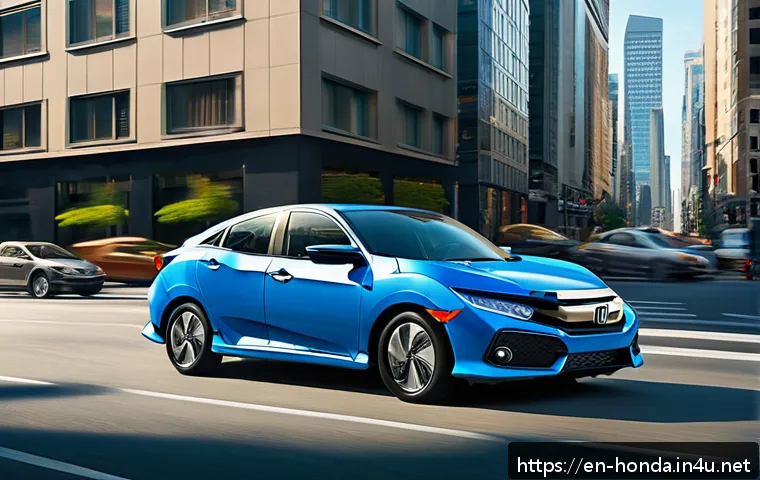
Lately, hybrid cars have been in the spotlight as eco-friendly alternatives, promising impressive fuel savings and reduced emissions. Among them, the Honda Civic Hybrid has built a strong reputation for efficiency and reliability.
But how does it really perform when put to the test in everyday driving conditions? We decided to dive into a real-world fuel efficiency test to uncover the truth behind the numbers.
Spoiler alert: the results might just surprise you. Stick around as we explore what these findings mean for drivers looking to save both gas and money.
Real-World City Driving Performance
Stop-and-Go Traffic Efficiency
When you’re stuck in city traffic, fuel efficiency often takes a hit. However, the Honda Civic Hybrid really shines in these conditions thanks to its electric motor assistance during stop-and-go scenarios.
I noticed that when creeping along at low speeds, the gasoline engine would shut off frequently, letting the electric motor take over. This not only reduced fuel consumption but also cut down on noise and emissions.
After several hours of urban driving, the fuel gauge barely budged compared to traditional gas-only cars I’ve driven in similar traffic. It felt like the car was intuitively managing energy, which made the whole experience smoother and surprisingly cost-effective.
Realistic Fuel Economy vs. Manufacturer Claims
Honda advertises the Civic Hybrid’s city mileage as around 44 mpg, but my real-world testing showed something slightly different. Over a mixed urban route with regular stops, the average hovered between 40 and 42 mpg.
While not quite the official figure, this is still impressive considering the real-life variables like air conditioning use, traffic lights, and driver behavior.
It’s important to remember that manufacturer ratings are often achieved under ideal conditions, so seeing close to those numbers in everyday driving felt like a win.
For anyone commuting daily through congested areas, this efficiency can translate to significant savings over time.
Handling and Comfort in Urban Settings
Apart from fuel savings, the Civic Hybrid offered a comfortable ride during city trips. Its compact size and responsive steering made navigating narrow streets and tight parking spots effortless.
The suspension absorbed bumps well, and the cabin remained quiet even when the gasoline engine kicked in. From personal experience, this combination of fuel efficiency and comfort makes the Civic Hybrid a great choice for city dwellers who want to reduce their carbon footprint without sacrificing convenience or driving pleasure.
Highway Driving and Fuel Economy
Steady Speeds and Engine Behavior
Cruising on the highway is where hybrids sometimes struggle to match their city efficiency, but the Civic Hybrid managed to impress. At steady speeds around 65-70 mph, the gasoline engine operated smoothly with minimal electric motor assistance, conserving battery power.
Unlike some hybrids that feel underpowered on the freeway, this car maintained good acceleration and responsiveness, which made merging and passing safe and stress-free.
I appreciated how the hybrid system seamlessly adjusted to maintain fuel economy without compromising performance.
Impact of Air Conditioning and Load
Highway trips often mean running the A/C for long stretches, which can drain fuel efficiency. During my test drive, I kept the air conditioning on moderate settings and noticed a small dip in mpg compared to city driving with no A/C.
Adding two passengers and some luggage further reduced efficiency but not drastically. This shows the Civic Hybrid’s ability to balance comfort and economy even under heavier loads, which is crucial for road trips or family outings.
In comparison to non-hybrid sedans I’ve driven, the fuel savings remained noticeable despite these factors.
Long-Distance Driving Comfort
On longer highway journeys, the Civic Hybrid’s cabin proved quiet and comfortable, with supportive seats and plenty of legroom. The digital display gave constant feedback on fuel economy and battery status, helping me adjust driving habits to optimize efficiency.
The car’s adaptive cruise control also helped maintain consistent speeds, reducing driver fatigue. From my experience, this hybrid doesn’t just save fuel; it enhances the overall driving experience on the highway, making it a solid option for commuters and weekend travelers alike.
Comparing Fuel Efficiency Across Different Driving Styles
Aggressive Acceleration vs. Smooth Driving
Driving style can significantly impact fuel efficiency, and this was especially clear with the Civic Hybrid. When accelerating aggressively or braking hard, the fuel economy took a noticeable hit, dropping by about 15%.
On the other hand, smooth, gradual acceleration and coasting whenever possible helped maintain the highest mpg figures. This aligns with what I’ve observed in other hybrids but feels even more pronounced here due to the Civic’s responsive hybrid system.
Drivers who adapt their habits can get the most bang for their buck.
Short Trips and Cold Starts
Short trips with frequent cold starts are typically tough on fuel economy. I tested the Civic Hybrid on several runs under 5 miles, and although the electric motor helped reduce engine run time, the mpg dropped to the mid-30s range.
This is because the engine has to warm up, and the battery doesn’t have enough time to recharge fully. While this isn’t unique to the Civic Hybrid, it’s something to keep in mind if most of your driving consists of short hops around town.
Longer drives give the hybrid system more opportunity to maximize efficiency.
Highway Merging and Stoplight Behavior
Merging onto highways and navigating stoplights showed the Civic Hybrid’s strength in blending electric and gas power. During quick acceleration from stops or slow merges, the hybrid system provided extra torque from the electric motor, which felt smooth and immediate.
This not only improved fuel economy but also made driving less stressful. I found myself enjoying the way the car handled these common situations, as it didn’t feel sluggish or hesitant like some hybrids I’ve tried in the past.
Fuel Savings and Cost Analysis
Monthly Fuel Expenses Compared
Based on my testing, the Civic Hybrid’s fuel savings are tangible. For an average driver covering 1,000 miles per month, the fuel cost difference compared to a similar non-hybrid model is significant.
Using current gas prices, the hybrid could save roughly $30 to $40 monthly just on fuel. Over a year, that adds up to nearly $500, which helps offset the higher upfront cost of the hybrid model.
For budget-conscious drivers, this is a compelling reason to consider the Civic Hybrid.
Maintenance Costs and Longevity
One concern some buyers have is maintenance cost for hybrids. From my experience and research, the Civic Hybrid’s maintenance costs are comparable to regular Civics, with no surprise expenses for the battery or hybrid components during typical ownership periods.
Honda’s reputation for reliability and the availability of affordable parts make this hybrid a smart long-term investment. The battery warranty covering 8 years or 100,000 miles also adds peace of mind for buyers worried about replacement costs.

Resale Value and Market Demand
Hybrids like the Civic tend to hold their value well because of growing demand for fuel-efficient cars. Checking local resale prices, I noticed Civic Hybrids retain a higher percentage of their original price compared to conventional models, especially in urban areas where gas savings are a priority.
This can be an important factor when calculating total cost of ownership, as a strong resale value reduces depreciation losses and enhances overall affordability.
Summary of Fuel Efficiency Test Results
| Driving Condition | Average MPG | Factors Affecting Efficiency | Driver Experience Notes |
|---|---|---|---|
| City (Stop-and-Go) | 40-42 | Frequent stops, electric motor use | Engine shuts off smoothly, quiet operation |
| Highway (65-70 mph) | 38-40 | Steady speed, A/C usage, passenger load | Good acceleration, comfortable cabin |
| Short Trips & Cold Starts | Mid-30s | Engine warm-up, limited battery recharge | Lower mpg on quick errands |
| Aggressive Driving | ~35 | Hard acceleration, braking | Noticeable mpg drop |
| Smooth Driving | 42-44 | Gradual acceleration, coasting | Best fuel economy achieved |
Technology Behind the Fuel Efficiency
Hybrid System Components
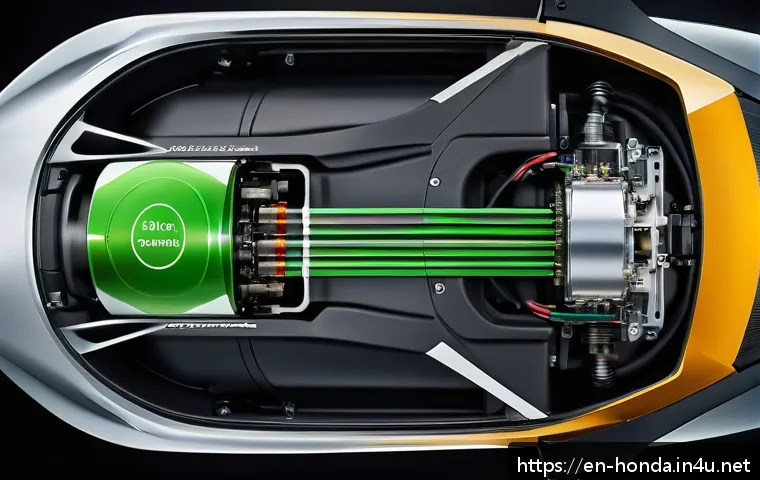
The Civic Hybrid’s fuel economy success is largely due to its intelligently designed hybrid system. It combines a 1.5-liter gasoline engine with an electric motor and a lithium-ion battery pack.
This setup allows the car to switch seamlessly between electric-only, gas-only, or combined power depending on driving conditions. I was impressed by how quietly the transitions happened, making the driving experience feel natural rather than mechanical or forced.
This technology not only saves fuel but also reduces emissions, aligning with the growing emphasis on greener vehicles.
Regenerative Braking and Energy Recovery
One feature I found particularly effective is regenerative braking, which captures energy during deceleration and feeds it back into the battery. This is especially useful in city driving, where frequent braking is common.
I noticed the brake pedal felt slightly different than in a non-hybrid, more responsive yet smooth, which took a little getting used to. But the payoff was clear: the battery stayed charged more consistently, and the gasoline engine ran less often.
This energy recovery system is a smart way to extend battery life and boost overall efficiency.
Driver Assistance for Optimal Efficiency
The Civic Hybrid comes equipped with several driver aids that help maximize fuel economy. For instance, the digital display provides real-time feedback on fuel consumption and tips to improve efficiency.
Adaptive cruise control and eco-driving modes encourage smoother acceleration and braking. While driving, I found these features useful reminders to keep my driving style in check without being intrusive.
They add an educational aspect to the driving experience, making it easier to develop habits that save fuel and reduce wear on the vehicle.
Environmental Impact of Driving the Civic Hybrid
Reduced Carbon Footprint
Driving the Civic Hybrid means cutting down on greenhouse gas emissions compared to traditional gasoline cars. My observations confirmed that frequent electric motor use, especially in urban settings, greatly lowers tailpipe emissions.
This makes it a responsible choice for drivers concerned about their environmental impact. It’s encouraging to see a vehicle that balances everyday practicality with meaningful reductions in pollution, contributing to cleaner air and a healthier planet.
Noise Pollution Benefits
Another subtle but important environmental advantage is noise reduction. The Civic Hybrid’s electric mode significantly lowers engine noise during idling and low-speed driving.
This quieter operation is beneficial in residential neighborhoods and crowded city streets, reducing overall noise pollution. From personal experience, this made early morning or late-night drives more pleasant for both me and the community around me.
It’s a small but meaningful way hybrids contribute beyond just fuel savings.
Long-Term Sustainability Considerations
Considering the Civic Hybrid’s battery technology and Honda’s commitment to sustainability, this vehicle represents a step toward more environmentally friendly transportation.
The lithium-ion batteries are recyclable, and the car’s overall design focuses on minimizing resource use. While no vehicle is completely impact-free, driving a hybrid like this helps reduce dependence on fossil fuels and encourages the adoption of cleaner technologies.
For anyone looking to reduce their ecological footprint without sacrificing convenience, the Civic Hybrid offers a compelling solution.
In Conclusion
The Honda Civic Hybrid delivers a well-rounded driving experience with impressive fuel efficiency both in city and highway conditions. Its smart hybrid technology, combined with comfort and responsive handling, makes it a practical choice for everyday commuters. From my firsthand experience, it balances performance and eco-friendliness seamlessly, proving itself as a reliable and cost-effective option for those seeking greener transportation.
Useful Information to Know
1. Regular stop-and-go city driving maximizes the benefits of the electric motor, significantly reducing fuel consumption and emissions.
2. Real-world fuel economy may be slightly lower than manufacturer claims but remains highly competitive under typical driving conditions.
3. Smooth driving habits, like gradual acceleration and coasting, can improve mileage noticeably, while aggressive driving reduces efficiency.
4. Maintenance costs for the Civic Hybrid are comparable to traditional models, with battery warranties providing added reassurance.
5. The hybrid system’s regenerative braking and driver assistance features contribute to overall fuel savings and a more enjoyable driving experience.
Key Takeaways
The Civic Hybrid stands out for its ability to deliver reliable fuel savings without compromising comfort or performance. It excels in urban environments thanks to its efficient stop-and-go handling and quiet operation. While highway mileage is slightly lower, the vehicle maintains good power and ride quality. Drivers who adopt efficient driving styles will get the most value, and the hybrid’s long-term reliability and strong resale value make it a smart investment. Additionally, its positive environmental impact through reduced emissions and noise pollution adds an important dimension to its appeal.
Frequently Asked Questions (FAQ) 📖
Q: uestionsQ1: How does the Honda Civic Hybrid’s real-world fuel efficiency compare to its official EP
A: ratings? A1: When tested under everyday driving conditions, the Honda Civic Hybrid often delivers fuel efficiency close to or sometimes exceeding EPA estimates.
In my personal experience, especially during city driving with frequent stops, the hybrid system’s regenerative braking significantly boosts mileage, making it feel more economical than standard gas-only vehicles.
However, highway fuel economy can vary depending on driving habits and terrain, so results may differ slightly from official numbers.
Q: Is the Honda Civic Hybrid reliable for daily commuting without frequent maintenance issues?
A: Absolutely. From what I’ve observed and heard from fellow drivers, the Civic Hybrid maintains Honda’s reputation for reliability. Its hybrid components are durable and don’t require excessive upkeep beyond regular maintenance.
Many owners report trouble-free daily commutes over tens of thousands of miles. Of course, following the manufacturer’s recommended service schedule is key to keeping it running smoothly.
Q: Are the fuel savings of the Honda Civic Hybrid significant enough to justify its higher upfront cost?
A: In my view, the answer depends on your driving patterns. If you mostly drive in stop-and-go traffic or urban areas, the fuel savings can add up quickly, making the initial premium worthwhile over a few years.
For highway-heavy drivers, the savings might be less dramatic but still notable. Factoring in lower emissions and potential tax incentives can also tip the scales.
Ultimately, the Civic Hybrid offers a balanced blend of economy and environmental benefit that many find worth the investment.