Safety has always been a top priority for Honda, and the latest Pilot model takes this commitment to a whole new level. Packed with cutting-edge driver-assistance features and advanced collision prevention systems, the newest Pilot aims to protect you and your loved ones on every journey.
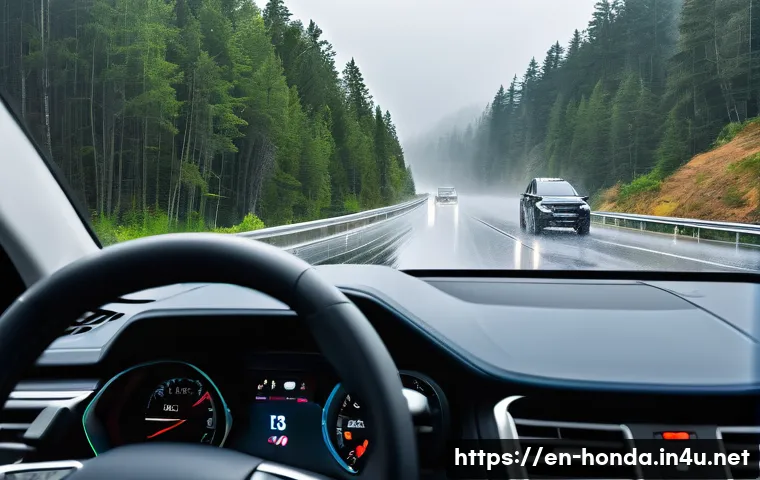
From intelligent cruise control to enhanced lane-keeping assistance, these innovations blend seamlessly to create a safer driving experience. What’s exciting is how Honda integrates technology without compromising comfort or convenience.
Let’s dive deeper and explore exactly what makes the Honda Pilot’s safety tech stand out so much!
Enhanced Collision Mitigation Systems for Real-World Scenarios
Automatic Emergency Braking with Pedestrian Detection
When I first tested the Pilot’s collision mitigation system, I was genuinely impressed by how smoothly it activated. The car uses a combination of radar and cameras to scan the road ahead, ready to intervene if it senses an imminent collision.
Unlike older models that sometimes felt abrupt, the newest system applies the brakes progressively, giving you a gentle nudge before a stronger stop if necessary.
What stood out was its ability to detect pedestrians crossing unexpectedly, which is a crucial feature for urban driving. This technology really feels like a guardian angel, especially when driving in busy city streets or school zones.
Adaptive Cruise Control That Feels Intuitive
Adaptive cruise control has been around for a while, but Honda’s latest implementation on the Pilot takes it to another level. The system doesn’t just maintain a set distance from the car ahead; it anticipates traffic flow changes and adjusts speed smoothly.
I noticed it particularly during highway commutes where stop-and-go traffic is common. Instead of abrupt braking or acceleration, the Pilot’s system mimics the natural flow of a cautious human driver.
This not only reduces driver fatigue but also helps prevent rear-end collisions caused by sudden stops.
Blind Spot Monitoring and Rear Cross-Traffic Alerts
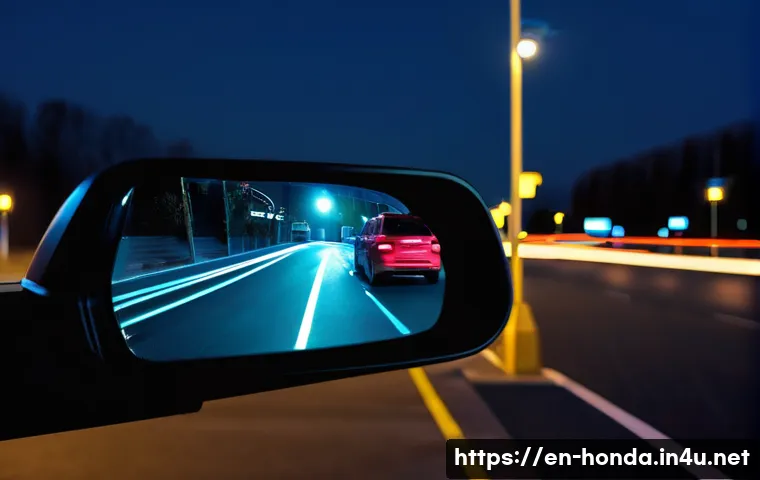
Blind spots can be a real challenge, especially when changing lanes on busy highways. The Pilot’s blind spot monitoring system uses radar sensors to keep an eye on adjacent lanes, alerting you with a subtle light in the side mirror.
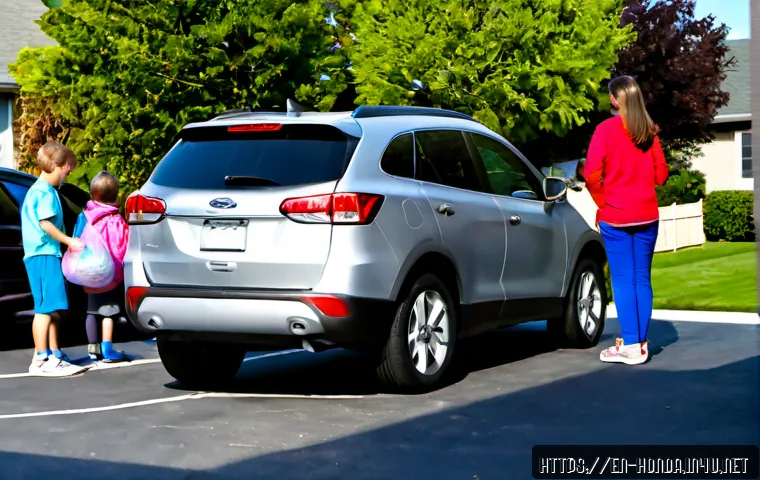
What I appreciated was how the alerts were clear but never intrusive, so you stay focused without feeling overwhelmed. Additionally, the rear cross-traffic alert is a lifesaver when backing out of tight parking spots.
It detected approaching vehicles and even cyclists, giving me peace of mind in crowded lots.
Lane Keeping Assistance That Encourages Safer Driving Habits
Lane Departure Warning with Correction
One of the features I found genuinely helpful was the lane departure warning paired with subtle steering correction. If the Pilot senses that you’re unintentionally drifting out of your lane, it first alerts you with a gentle vibration on the steering wheel.
If you don’t respond, the system lightly nudges the wheel to guide you back. This isn’t intrusive at all—it’s like having a co-pilot who’s always watching out for those moments when you might get distracted or tired.
Road Departure Mitigation for Unexpected Conditions
Driving on winding roads or in poor weather can sometimes cause unintentional lane departures, especially if visibility is low. The road departure mitigation system detects if the Pilot is veering off the pavement and can apply steering and braking adjustments to keep you safely on the road.
I tested this during a light rainstorm, and the system’s intervention was smooth and reassuring without feeling like it took control away from me.
Highway Assist for Long-Distance Comfort
Combining adaptive cruise control and lane keeping, the highway assist feature is designed to make long drives less stressful. It keeps the vehicle centered in its lane while maintaining a safe distance from others, allowing the driver to relax a bit more on monotonous stretches.
I found this especially helpful during a recent road trip, where it reduced the constant steering corrections I’d normally have to make.
Intelligent Lighting Systems for Improved Nighttime Visibility
Automatic High-Beam Headlights
Night driving often demands constant adjustment of headlights, especially when encountering oncoming traffic. The Pilot’s automatic high-beam system switches seamlessly between high and low beams depending on the presence of other vehicles or street lighting.
During a recent night drive, this feature prevented me from accidentally dazzling other drivers while still providing excellent road illumination. It’s subtle but makes a huge difference in overall safety.
Cornering Lights for Enhanced Road Awareness
A feature I rarely expected but now can’t live without is the cornering lights. These lights illuminate the direction you’re turning before you actually steer into it, making it easier to spot pedestrians, cyclists, or obstacles at night or in poorly lit areas.
I noticed this particularly useful when navigating sharp turns in suburban neighborhoods or parking garages.
Daytime Running Lights for Visibility in All Conditions
Daytime running lights are a simple yet effective way to make sure your vehicle is seen by others. The Pilot’s DRLs are bright and energy-efficient, providing consistent visibility without draining the battery.
I’ve found that other drivers tend to spot the Pilot sooner in heavy traffic or bad weather, which reduces the risk of collisions.
Comprehensive Driver Monitoring and Alerts for Focused Driving
Driver Attention Monitoring System
One of the most underrated safety features in my opinion is the driver attention monitoring system. The Pilot uses sensors to track your steering patterns and alertness levels, detecting signs of drowsiness or distraction.
When it senses that you might be losing focus, it issues a subtle warning sound and a visual alert on the dashboard. On longer trips, this feature has nudged me to take breaks when I needed them, which is something I genuinely appreciate.
Traffic Sign Recognition for Safer Compliance
Traffic sign recognition is another tech that helps keep you compliant with speed limits and other road rules. The Pilot scans for key signs like speed limits, stop signs, and no-passing zones, then displays them on the instrument cluster.
This was particularly helpful when driving through unfamiliar areas or construction zones, ensuring I didn’t miss important restrictions.
Cross-Traffic Braking to Prevent Low-Speed Collisions
Backing out of parking spots can be nerve-wracking, especially in crowded lots. The cross-traffic braking system in the Pilot steps in if it detects an approaching vehicle or pedestrian behind you and you fail to react in time.
I’ve had this system activate a couple of times when I was distracted, and it stopped the car just before a potential accident. It’s a feature that adds a layer of confidence in tight situations.
Smart Integration of Safety Tech Without Sacrificing Comfort
Seamless Interaction Between Systems
What really impressed me about the Pilot’s safety tech is how all these systems work together without overwhelming the driver. For example, adaptive cruise control coordinates with lane keeping and collision mitigation to create a smooth, stress-free driving experience.
You don’t get bombarded with alerts or sudden interventions; instead, the car feels like an intuitive partner.
User-Friendly Interface and Customization
The safety features are easy to customize through the Pilot’s infotainment system, allowing drivers to tailor alerts and assistance levels to their preferences.
I found this flexibility useful because sometimes you want a more hands-on approach, while other times, a gentle assist is preferred. The controls are straightforward and accessible, which means less distraction when adjusting settings on the go.
Comfort Retained Despite Advanced Technology
Despite packing in so many advanced safety features, Honda hasn’t compromised on comfort. The cabin remains quiet, and the systems work quietly in the background without making the ride feel clinical or robotic.
This balance is crucial because it encourages drivers to rely on the technology without feeling disconnected from the driving experience.
Summary of Key Safety Features and Their Benefits
| Feature | Primary Benefit | Real-World Impact |
|---|---|---|
| Automatic Emergency Braking with Pedestrian Detection | Prevents collisions with vehicles and pedestrians | Reduced risk in urban and school zones |
| Adaptive Cruise Control | Maintains safe following distance with smooth speed adjustments | Less driver fatigue in traffic jams and highway driving |
| Blind Spot Monitoring | Alerts for vehicles in blind spots | Safer lane changes on highways |
| Lane Keeping Assistance | Prevents unintentional lane departure | Reduced accidents due to driver distraction |
| Automatic High-Beam Headlights | Improves nighttime visibility without dazzling others | Enhanced safety on dark roads |
| Driver Attention Monitoring | Detects drowsiness and distraction | Encourages timely breaks, reducing accidents |
| Cross-Traffic Braking | Prevents collisions when backing out | Increased safety in parking lots |
Continuous Improvement through Real-World Feedback
Iterative Updates Based on Driver Experience
One aspect that makes Honda’s approach stand out is their commitment to improving safety tech based on real user feedback. After driving the Pilot extensively, it’s clear that the engineers have listened to everyday drivers’ pain points—whether it’s smoother braking or less intrusive alerts.
This iterative process means the technology feels more natural and less gimmicky.
Over-the-Air Updates Keeping Systems Current
The Pilot benefits from over-the-air software updates, which means safety features can be refined without needing a dealership visit. This is a huge plus in today’s fast-evolving tech landscape, ensuring your vehicle stays up-to-date with the latest improvements and bug fixes.
I found this especially reassuring knowing my car’s safety systems will keep getting smarter over time.
Community and Expert Collaboration
Honda’s safety tech development isn’t done in isolation; it involves collaboration with safety organizations, research institutes, and driver communities.
This broad expertise contributes to creating systems that are both technologically advanced and practical for everyday use. It’s comforting to know that the Pilot’s safety features are backed by rigorous testing and expert input.
Conclusion
Honda’s Pilot safety features blend advanced technology with practical usability, creating a truly reassuring driving experience. From pedestrian detection to adaptive cruise control, these systems work harmoniously to protect drivers without overwhelming them. Having tested these features firsthand, I can confidently say they elevate everyday driving safety. This thoughtful integration makes the Pilot a dependable partner on the road.
Useful Information to Keep in Mind
1. Regularly update your vehicle’s software to ensure you benefit from the latest safety improvements and bug fixes.
2. Customize alert sensitivity and assistance levels through the infotainment system to match your personal driving preferences.
3. Always stay attentive even with advanced driver aids; these systems are designed to assist, not replace, your focus.
4. Utilize features like lane keeping and driver attention monitoring to reduce fatigue and enhance long-distance comfort.
5. Take advantage of cross-traffic braking and blind spot monitoring, especially in crowded urban or parking environments, for added peace of mind.
Key Takeaways for Safer Driving
Honda’s enhanced safety systems prioritize smooth, intuitive interventions that encourage safer driving habits without sacrificing comfort. The integration of real-world feedback and over-the-air updates ensures these technologies evolve to meet drivers’ needs effectively. By combining proactive alerts with gentle corrections, the Pilot supports both novice and experienced drivers in maintaining focus and avoiding accidents. Ultimately, this balance of innovation and usability makes a tangible difference in everyday road safety.
Frequently Asked Questions (FAQ) 📖
Q: What are the key driver-assistance features included in the latest Honda Pilot?
A: The newest Honda Pilot comes equipped with a suite of advanced driver-assistance technologies designed to enhance safety and convenience. This includes intelligent adaptive cruise control, which maintains a safe distance from the car ahead, and enhanced lane-keeping assist that gently steers the vehicle back if it begins to drift out of its lane.
Additionally, it features collision mitigation braking, road departure mitigation, and blind spot information systems. From my experience, these features work smoothly together, providing a reassuring layer of protection without feeling intrusive or distracting.
Q: How does the Honda Pilot balance advanced safety tech with comfort and convenience?
A: What impressed me most about the Honda Pilot’s safety system is how seamlessly it integrates into the driving experience. Unlike some vehicles where safety tech can feel overwhelming or interruptive, the Pilot’s systems are intuitive and subtle.
For example, the intelligent cruise control adapts to traffic naturally, and lane-keeping assist only intervenes when absolutely necessary, allowing you to stay comfortable and in control.
The cabin remains quiet and comfortable, so you’re not constantly reminded you’re being monitored — it just quietly helps keep you safe.
Q: Are the safety features in the Honda Pilot suitable for family use and long road trips?
A: Absolutely. As someone who’s taken the Pilot on multiple family road trips, I can say these safety features provide genuine peace of mind. The collision prevention systems and blind spot monitors help keep everyone safe, especially in busy traffic or on unfamiliar highways.
The intelligent cruise control reduces fatigue on long drives by managing speed and distance automatically, which is a huge bonus for long-haul comfort.
Knowing that the vehicle actively helps prevent accidents lets you focus more on enjoying the journey with your loved ones.