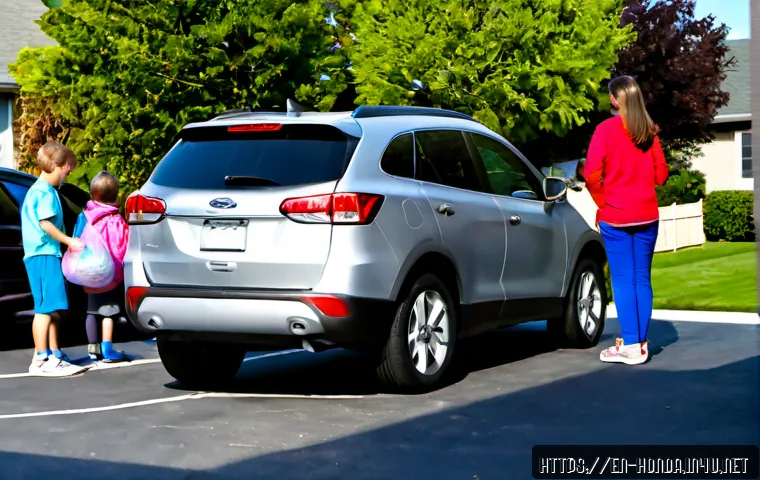
Yes, the Honda CR-V can be a strong family SUV for households that need five seats, practical cargo access, and an easy vehicle for daily errands and weekend travel.

It is especially worth considering for families comparing compact SUVs with gasoline or hybrid powertrain options. The best version depends on the model year, trim, local availability, and whether your routine favors lower fuel use, a lower purchase price, or extra convenience equipment.
New, certified pre-owned, and older used CR-Vs can each make sense, but their warranty coverage, financing options, insurance costs, and maintenance needs are different.
Before choosing, compare the exact vehicle’s rear-seat layout, child-seat fit, driver-assistance equipment, and total ownership costs. A test drive with the people and gear you actually use is more useful than relying on a trim name alone.
At a Glance
- The Honda CR-V is often a practical fit for families of up to five who need a compact SUV for school runs, shopping, and trips.
- Its usefulness depends on the exact model year, trim, powertrain, and local-market equipment.
- Compare new, certified pre-owned, and used options before buying, including financing, insurance, warranty, and maintenance considerations.
| Purchase Route | Best for | What to Compare | Family Buying Watchpoint |
|---|---|---|---|
| New Honda CR-V | Buyers who want current equipment and a full new-vehicle buying process | Local inventory, trim features, financing offers, insurance quotes, and powertrain availability | Do not assume every trim includes the same Honda Sensing functions or convenience features |
| Certified Pre-Owned CR-V | Families seeking a newer used vehicle with warranty-related considerations | Certification terms, condition, mileage, financing rate, and included coverage | Compare the certification details with a similarly priced new or non-certified used vehicle |
| Older Used CR-V | Buyers focused on a lower initial purchase price | Vehicle condition, service history, insurance, expected maintenance, tires, and repair costs | Features, seating arrangements, and safety equipment can differ substantially by model year |
Why the CR-V Works Well for Many Family Routines
The CR-V’s main family appeal is straightforward: it is a compact crossover SUV that can handle ordinary household tasks without moving into a larger SUV category. Many recent generations commonly offer five seats, which can suit parents with one or two children, couples carrying relatives, or households that regularly bring bags, groceries, and activity gear. However, a family SUV is only practical when it matches the people and items carried most often.
Easy Access for Children, Adults, and Car-Seat Loading
Easy entry matters more than it may seem during busy mornings. A compact SUV seating position can make it convenient to get children in and out, help an older passenger enter, and load a child seat without bending into a very low cabin. The real question is not whether a CR-V has rear doors, but whether the door opening, rear bench, and your own child seats work well together.
Bring the actual child seat to a viewing or test drive when possible. Check how easily you can reach the anchors, tighten the installation, and place a child into the seat. If you use a rear-facing seat, test the front-seat position afterward. Never assume that three child seats will fit safely; fit depends on the individual seats and the specific vehicle configuration.
Flexible Rear Seating and Cargo Space for Strollers, Groceries, and Sports Gear
Families often choose a CR-V because cargo access can be more useful than a sedan trunk for daily life. A stroller, grocery bags, school projects, or sports equipment can be easier to load through a rear hatch. Rear-seat flexibility may also help when the vehicle needs to carry a mix of passengers and longer items.
Still, cargo capacity varies by model year and configuration. Bring the stroller, travel bag, or equipment case that causes the most trouble in your current car. Check the hatch opening, loading height, rear-seat folding process, and whether the cargo area remains usable when all seats are occupied. If a power tailgate matters to your household, confirm that it is fitted to that specific vehicle rather than relying on the listing headline.
Daily Driving Comfort Versus Weekend-Trip Usefulness
For many households, a family vehicle spends more time on short trips than on holiday drives. The CR-V can be appealing because it is intended for everyday crossover use while still offering room for passengers and cargo. On a longer drive, pay attention to rear-seat comfort, storage for small items, ride comfort, road noise, and how easy it is to access the cargo area at a stop.
A compact SUV is a compromise by design. It may be a better match than a larger vehicle for routine driving and parking, but it may not replace the space needs of a family that frequently carries adults in every rear-seat position or needs a third row.
Family SUV Comparison: Where the CR-V Delivers Value
The CR-V is commonly cross-shopped with the Toyota RAV4, Mazda CX-5, Hyundai Tucson, Kia Sportage, and Subaru Forester. There is no universal winner because buyers place different value on cabin layout, fuel use, ride comfort, inventory, purchase price, and long-term ownership planning. A useful comparison starts with the same questions for every vehicle.
Compare Cabin Room, Cargo Usability, Fuel Economy, and Ride Comfort
Do not compare compact SUVs only by exterior size or an online specification page. For family use, usable space matters more: Can adults sit comfortably where they need to sit? Can the stroller fit without a complicated loading routine? Does the cargo floor suit grocery bags and sports gear? Can the driver see clearly when parking near a school or crowded store?
Fuel economy also varies by drivetrain, model year, trim, and market. Rather than assuming one version will always be cheaper to run, compare the exact gasoline and hybrid vehicles available locally. Your driving pattern matters. A household with frequent local driving may evaluate powertrain choices differently from one that regularly takes longer highway trips.
Gasoline Versus Hybrid: When the Higher Upfront Cost May Be Worthwhile
The CR-V is sold in gasoline and hybrid versions in many markets, although availability changes by location and model year. A hybrid may be worth considering when its purchase price, expected fuel use, financing terms, insurance, and planned ownership period make sense together. It is not automatically the better financial choice simply because it is a hybrid.
Ask for a clear comparison between similarly equipped vehicles where possible. Look at the vehicle price, the finance rate or loan terms, estimated insurance coverage, and your normal driving pattern. If the hybrid version requires giving up features your family values or stretches the budget too far, a gasoline version may be the more balanced choice. Conversely, a hybrid can deserve a closer look if fuel-cost priorities are central to the household decision.
New, Certified Pre-Owned, or Used: Matching the Purchase Route to Your Budget
A new CR-V can simplify the search for current equipment and offer access to current dealer financing or lease discussions, where available. A certified pre-owned CR-V may appeal to buyers who want a used vehicle with program-specific inspection and warranty considerations. An older used CR-V can reduce the upfront price but deserves closer attention to condition, mileage, maintenance history, tires, and repair needs.
Compare total cost, not just the advertised payment. A low monthly payment can reflect a longer loan term, a larger amount financed, or conditions that change the overall deal. Request the complete finance breakdown and compare it with an auto loan quote from another source if appropriate. For used listings, review the exact year, trim, drivetrain, equipment, and vehicle condition before treating two CR-Vs as equivalent.
Safety, Child Seats, and Driver-Assistance Features to Check
Safety equipment is a major part of the family SUV decision, but trim names can create false confidence. Honda Sensing driver-assistance technology is available on many newer CR-V models, yet the included functions can differ by trim and model year. Confirm the vehicle in front of you, not a generic model description.
Confirming Trim-Specific Safety Equipment Instead of Assuming It Is Standard
Ask the seller or dealer to identify the exact driver-assistance features included on the vehicle. Review the window sticker, official model-year information, or vehicle documentation where available. This is particularly important when comparing used listings, since two vehicles with the same year may not have identical equipment.
Driver-assistance systems can support the driver, but they do not remove the need for attentive driving. If a feature is important to your household, verify its operation and understand its limits before purchase.
Testing Child-Seat Access, Anchor Positions, and Rear-Seat Fit
Child-seat practicality is not a specification-sheet exercise. Test the anchor positions, the effort required to install the seats, and the available room after installation. Check whether an adult can still sit in the remaining rear-seat position if that is part of your routine. Also confirm that front-seat occupants can sit safely and comfortably with rear-facing child seats in place.
If grandparents, babysitters, or other caregivers may use the vehicle, have them try the doors, buckles, and loading routine as well. A setup that works for one person may be frustrating for another.
Why Visibility, Parking Aids, and Braking Support Matter for Family Use
Family driving often includes tight parking areas, driveways, school pickup zones, and crowded shopping centers. Forward visibility, rear visibility, mirrors, parking aids, and available braking-support technology can all affect confidence in these situations. Their availability may vary, so make a checklist of the equipment you consider essential.
During the test drive, park the vehicle yourself. Practice reversing, check sightlines around the rear pillars, and see whether the controls are easy to understand without distraction. These practical details can matter more every day than an optional appearance package.
Ownership Costs That Can Change the Better Deal
A CR-V that looks less expensive at the dealership may not be the lower-cost choice over time. The better deal depends on the purchase price, financing APR, insurance, fuel, maintenance, tires, warranty coverage, and likely resale expectations. Each category changes by location, vehicle year, driver profile, and the individual vehicle.

Purchase Price, Financing APR, and Trade-In Value
Start with the full purchase price and the amount being financed. Then compare the APR, loan term, down payment, fees, and total amount paid over the agreement. If you have a trade-in, ask for its value separately so you can understand each part of the transaction.
A dealer financing offer may be useful, but it should be compared with other available financing options. Focus on total borrowing cost, not only the monthly figure. Inventory, incentives, and pricing can change by region, so use current local quotes rather than broad assumptions.
Fuel, Insurance, Maintenance, Tires, and Warranty Coverage
Insurance premiums are personal. They depend on factors including the driver profile, location, deductible, coverage level, vehicle year, and repair costs. Obtain insurance quotes for the specific CR-V before committing, especially when comparing a newer hybrid, a certified pre-owned vehicle, and an older used option.
For maintenance planning, review the vehicle’s condition and service documentation where available. Tires, routine maintenance, and repairs can change the ownership picture, particularly on older vehicles. Warranty coverage also differs between a new vehicle, a certified pre-owned program, and a standard used purchase, so read the actual terms rather than relying on a general description.
Avoiding Low-Payment Offers That Raise Total Cost
A payment-first conversation can hide important trade-offs. Extending the loan term may reduce the visible monthly payment while increasing the total amount paid. Adding optional products without understanding their cost can also make comparisons harder.
Ask for the vehicle price, finance rate, loan length, total financed amount, and any optional items in writing. Then compare the same information across CR-V listings and competing compact SUVs. A clear worksheet is often more valuable than a rushed decision based on one payment number.
When Another SUV May Be a Better Match
The Honda CR-V can be a practical family SUV, but it is not the ideal answer for every household. Choosing a vehicle that better matches your regular routine can prevent an expensive compromise later.
Families Needing a Third Row or Frequent Adult Use in Every Rear Seat
Recent CR-V generations commonly offer five seats. If your family regularly needs more seating positions, or frequently carries several adults, a vehicle with a suitable third row or a larger cabin may deserve priority. Do not rely on occasional workarounds if full-passenger trips are part of normal life.
Drivers Who Prioritize Towing Capacity, Off-Road Capability, or Sporty Handling
Towing ratings vary by model year, drivetrain, trim, and country. If towing is a key requirement, verify the exact rating for the exact vehicle and local market before adding equipment or making a purchase decision. The same principle applies to buyers who place off-road capability or sporty handling above everyday family comfort.
A CR-V may still suit some of these drivers, but it should be compared against vehicles designed more directly around those priorities.
City-Focused Buyers Who May Prefer a Smaller Vehicle or Different Powertrain
For a household that mainly drives in dense city areas, a smaller vehicle may be easier to park and may provide all the cargo space needed. Buyers who rarely carry passengers or bulky items should consider whether a compact SUV is larger than necessary. The right choice is the one that fits the most common trip, not only the occasional maximum-load day.
Selection Criteria and Comparison Summary
Before comparing CR-V trims and rivals, answer five practical questions: How many people ride most days? Will your actual child seats fit comfortably? Do you need gasoline or hybrid power based on your normal driving pattern? Which safety and convenience features are non-negotiable? What is the full ownership cost after financing, insurance, fuel, maintenance, and tires?
A practical shortlist may include the CR-V and comparable compact SUVs such as the Toyota RAV4, Mazda CX-5, Hyundai Tucson, Kia Sportage, and Subaru Forester. Compare each candidate using the same family gear, the same route, and the same finance assumptions. For the CR-V, compare local new, certified pre-owned, and used inventory side by side, then request financing and insurance information for the exact vehicle you are considering.
Before signing or placing a deposit, test rear-seat access, child-seat installation, cargo loading, visibility, parking behavior, and the exact driver-assistance features. Check official vehicle information and detailed terms on the relevant dealer, lender, insurer, or certified pre-owned program page before making a final decision.
In Closing
The Honda CR-V can be a sensible family SUV for buyers who want five-seat flexibility, practical cargo access, and a compact footprint for everyday use. Its value is strongest when the exact trim and powertrain fit the household’s real needs rather than a broad idea of what a family vehicle should be. Compare local pricing, financing options, insurance coverage, and vehicle condition before deciding between new, certified pre-owned, or older used examples. A careful test drive can reveal whether the CR-V works for your family better than its compact SUV rivals.
Useful Information to Know
1. Equipment can vary by trim, model year, drivetrain, and country.
2. Hybrid and gasoline versions should be compared using local prices and your own driving pattern.
3. Insurance quotes can differ based on the vehicle and the individual driver profile.
4. A certified pre-owned label should be reviewed alongside its specific warranty and financing terms.
5. Bring child seats, a stroller, or other essential gear to the test drive when possible.
Important Considerations
Exact cargo capacity, towing ratings, fuel economy, pricing, safety equipment, warranty coverage, and insurance costs are not the same for every Honda CR-V. Verify the model year, trim, drivetrain, seating arrangement, and local-market specifications for the individual vehicle. This information is a buying framework, not a guarantee that a particular CR-V will meet a specific family, financial, or child-seat requirement.
Frequently Asked Questions
Q1. Is the Honda CR-V large enough for a family of four?
A1. It can be a good fit for many families of four because recent CR-V generations commonly offer five seats and family-oriented cargo usability. The best way to confirm it is to test the rear seats with your actual child seats, passengers, stroller, and regular gear. Families that frequently need a third row or carry several adults may need a larger vehicle.
Q2. Is a hybrid Honda CR-V worth the extra cost for family driving?
A2. It depends on the local purchase price, available financing, insurance quote, expected fuel use, and how long you plan to keep the vehicle. A hybrid may suit households that place a high value on fuel efficiency, but the higher upfront cost should be compared with a similarly equipped gasoline CR-V. Check the exact models available in your area because powertrain and trim availability can vary.
Q3. Should families buy a new, certified pre-owned, or used Honda CR-V?
A3. A new CR-V may suit buyers who prioritize current inventory and new-vehicle purchasing options. A certified pre-owned CR-V may be attractive for buyers who want a used vehicle with program-specific warranty considerations. An older used CR-V may offer a lower initial price, but families should closely review its condition, mileage, maintenance history, tires, insurance, and expected repair needs.