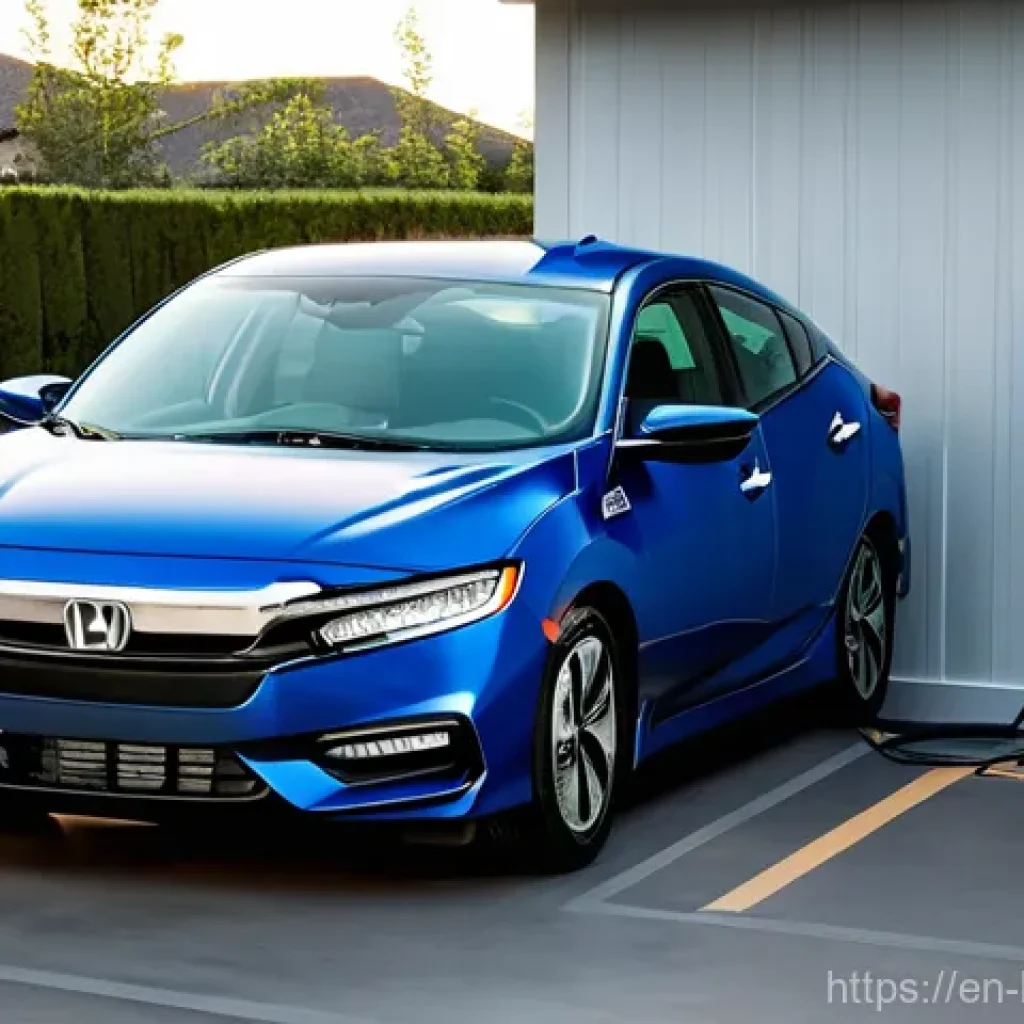
Hey everyone! As a fellow hybrid enthusiast, I know one question constantly buzzes in the minds of Honda Insight owners: “What’s the *real* deal with charging times?” We love our Insights for that fantastic fuel economy, especially with gas prices always playing games.
But beyond the manufacturer’s promises, what does charging actually look like in your everyday life? I’ve personally put my Insight through countless charging scenarios, and trust me, there’s a lot more to uncover than just numbers on a spec sheet.
If you’re eager to truly optimize your charging routine, maximize your battery’s potential, and get the most out of every electric mile, then you’re in exactly the right place.
Let’s dive in and uncover all the practical details you’ve been searching for!
Unpacking the Charging Reality: Beyond the Spec Sheet
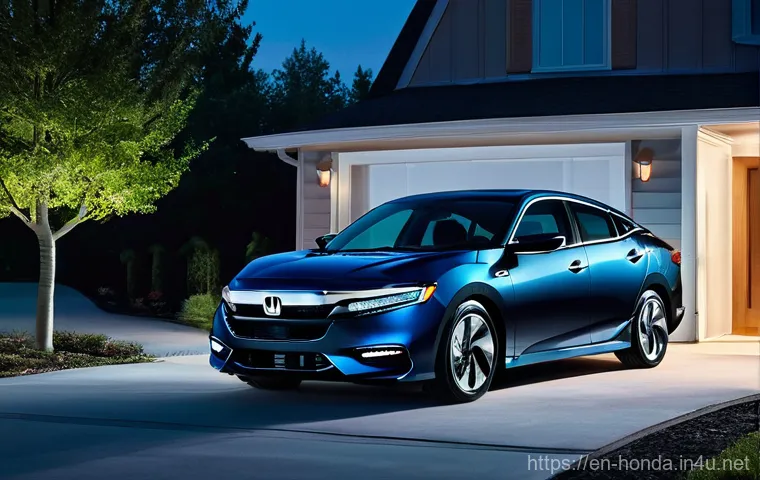
The Everyday Grind of Level 1 Charging
When I first drove my Honda Insight off the lot, I was stoked about the fuel economy and the hybrid tech. Like many new owners, I figured “charging” meant plugging it in overnight and waking up to a full battery.
And while that’s technically true for Level 1 charging, the reality is a bit more… leisurely. Plugging into a standard 120V outlet is incredibly convenient because, let’s face it, almost everyone has one in their garage or driveway.
But the speed, oh boy, the speed! I remember one particularly chilly winter night when I needed a decent charge for an early morning commute. I plugged it in, confident it would be ready.
The next morning, I was met with a rather modest increase in range. It felt like watching paint dry, but hey, it got the job done for topping off after short errands.
It’s truly a game-changer for maintaining your battery’s health and readiness without needing any special equipment, making it a fantastic fallback for those times you’re just puttering around town.
When Level 2 Becomes Your Best Friend
After a few weeks of the Level 1 crawl, I decided it was time for an upgrade. I invested in a Level 2 (240V) charger for my garage, and let me tell you, it was a revelation!
The difference in charging speed is night and day. What used to take seemingly forever now gets done in a fraction of the time. This is where the Insight truly shines, allowing you to maximize those electric miles without having to plan your day around charging stops.
I’ve found that plugging in when I get home from work means it’s fully juiced by dinner time, giving me total freedom for evening plans or just knowing I’m ready for whatever the next day throws at me.
It’s not just about speed; it’s about convenience and the peace of mind that comes from a fully charged battery, always ready to deliver that satisfying electric boost.
Trust me, if you’re serious about leveraging your Insight’s hybrid capabilities, Level 2 charging is an absolute must-have.
My Personal Charging Showdown: Level 1 vs. Level 2 Performance
The Patience Tester: My Level 1 Experiences
You know that feeling when you’re waiting for your phone to charge and it feels like an eternity? That’s Level 1 charging for you, especially if your Insight’s battery is significantly depleted.
I’ve had days where I plugged my car in around 6 PM after a long day of driving, and by morning, I’d maybe gained enough charge to cover my initial commute solely on electric power.
It’s incredibly useful for trickle charging or if you’re not in a hurry and just want to maintain a decent state of charge, but don’t expect miracles.
I often used it when I knew I wasn’t going to be driving much the next day, just to keep the battery happy. It’s the equivalent of sipping your coffee slowly; it gets you there, eventually, but not with any urgency.
For many hybrid owners, this is their first and often only charging experience at home, and while it’s adequate, it certainly doesn’t unlock the full potential of quicker recharges that optimize your electric driving.
The Game Changer: Embracing Level 2 Speeds
Switching to Level 2 charging was like upgrading from dial-up to fiber optic internet. Suddenly, charging wasn’t an all-night affair anymore. My typical experience goes like this: I pull into the garage after work, plug in, and within just a few hours, sometimes even less depending on how much charge I used, my Insight is happily topped off.
This really changed how I thought about my daily commutes. Instead of passively accepting the limited electric range, I started actively using more of it, knowing a quick top-up at home was always an option.
It transformed my driving habits, letting me enjoy the quiet, smooth electric ride more often. I’ve noticed a significant uptick in my all-electric miles since making the switch, and it genuinely feels like I’m getting more out of my car now.
It’s not just about speed; it’s about empowerment and truly integrating the electric side of the hybrid into your everyday life without a second thought.
Maximizing Your Miles: Clever Charging Hacks I Swear By
Timing is Everything: Off-Peak Charging Strategies
Here’s a little secret I picked up that’s been a total game-changer: charging during off-peak hours. Many utility companies offer lower electricity rates during specific times, usually overnight or during certain daytime windows when demand is low.
I learned this the hard way after getting a few surprisingly high electricity bills, and a quick call to my provider clarified everything. Now, I program my Level 2 charger to kick in after 10 PM and finish before 6 AM.
Not only does this save me a noticeable amount on my monthly energy costs, but it also aligns perfectly with my overnight charging routine. It’s a win-win: my car is fully charged when I wake up, and I’m not paying premium rates for the electrons.
It might seem like a small adjustment, but over the course of a year, those savings really add up, giving you more bang for your buck on every electric mile.
Strategic Top-Ups: Keeping Your Battery Happy
Another hack I’ve adopted is strategic top-up charging. Instead of waiting for my battery to be completely drained before plugging in, I often give it a quick boost whenever I have the chance, even for an hour or two.
This isn’t just about convenience; it actually helps maintain the overall health and longevity of your battery. Lithium-ion batteries, like the one in your Insight, prefer to stay within a certain charge window rather than constantly being run down to empty and then fully charged.
I’ve noticed that keeping my charge level between 20-80% as much as possible, with occasional full charges, seems to keep the battery performing optimally.
Think of it like snacking throughout the day instead of waiting for one huge meal. It keeps your energy levels (and your battery’s) more consistent and less stressed, leading to better long-term performance and efficiency.
Battery Health & Longevity: What Charging Really Means for Your Insight
Understanding Your Insight’s Battery Chemistry
Delving a bit into the science of it all really helped me appreciate the nuance of charging my Insight. Our Insights typically use a lithium-ion battery pack, which is fantastic for energy density and efficiency.
However, these batteries have a “sweet spot” for optimal health. Constantly draining them to zero or always charging them to 100% can, over time, put a bit of stress on the battery’s internal chemistry.
It’s not like your old cell phone battery where you had to completely discharge it for calibration; modern lithium-ion batteries are much smarter. I once read an article that explained it like this: imagine your battery as a tiny marathon runner.
You want to train it consistently, not overwork it with extreme sprints or leave it sedentary for too long. Understanding this helped me shift from just “filling it up” to actively “maintaining” it.
The Impact of Temperature on Battery Life and Charging
One crucial factor that often gets overlooked, but which I’ve personally experienced, is the effect of temperature on charging and battery longevity. On scorching summer days or frigid winter nights, you might notice your Insight’s charging behavior changes slightly.
Extreme temperatures can make the battery less efficient at accepting a charge, and they can also contribute to faster degradation over the long run. I’ve found that parking my Insight in the garage, especially during extreme weather, makes a noticeable difference.
In colder climates, a warmer battery charges more efficiently and performs better. Conversely, on incredibly hot days, keeping it out of direct sunlight while charging helps prevent overheating.
It’s about creating a stable environment for your battery to thrive, ensuring it serves you faithfully for years to come. These small considerations really add up to a healthier battery and more consistent performance.
| Charging Level | Power Source | Estimated Charge Time (Empty to Full) | Typical Use Case |
|---|---|---|---|
| Level 1 (120V) | Standard Wall Outlet | Approx. 12-15 hours | Overnight trickle charging, occasional top-ups, convenient but slow. |
| Level 2 (240V) | Dedicated Home Charger / Public Station | Approx. 2.5-3.5 hours | Daily charging, maximizing electric range, fast and efficient. |
The Unpredictable Variables: Factors That Play Havoc with Your Charge Time
Ambient Temperature’s Sneaky Influence
It’s funny how something as simple as the weather can completely throw off your charging expectations. I’ve learned that ambient temperature isn’t just a minor detail; it’s a major player in how quickly and efficiently your Insight charges.
On those crisp autumn mornings, when the air is cool but not freezing, my car seems to charge like a champ. But try charging during a sweltering summer afternoon or a bitter winter night, and you’ll notice a distinct difference.
The battery’s internal resistance increases in extreme cold, slowing down the charging process. Conversely, excessive heat can also stress the battery, causing the car’s battery management system to slow charging to protect its health.
I’ve definitely had moments where I thought something was wrong, only to realize it was just a particularly hot day messing with the flow. Understanding this helps you manage your expectations and even adjust your charging schedule for optimal results.
The Role of Your Battery’s State of Charge
Another variable that constantly surprises people, but makes perfect sense once you think about it, is your battery’s current state of charge. It’s not a linear process where it charges at the same rate from 0% to 100%.
Often, charging is fastest when the battery is mostly depleted and tends to slow down significantly as it approaches a full charge. This is a deliberate design by the battery management system to protect the battery and prevent overcharging.
I’ve noticed this firsthand; the first 80% often flies by, but those last few percentage points can feel like they’re crawling, especially with Level 1.
So, if you’re ever in a rush and only need a quick boost, don’t worry about getting it to 100%; those initial percentage points are usually the quickest to accumulate, giving you plenty of juice for your immediate needs without unnecessary waiting.
On-the-Go Charging: My Adventures with Public Stations
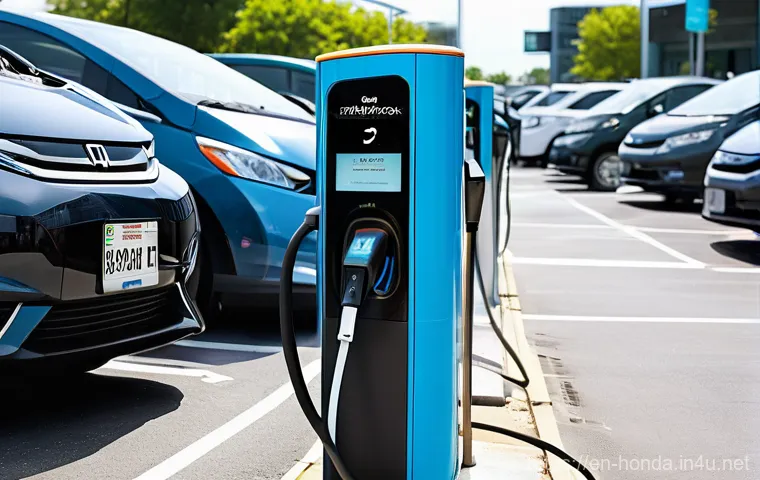
Navigating the Public Charging Landscape
Venturing into the world of public charging stations with my Insight has been an interesting journey, to say the least. While the Insight isn’t a full EV, those public Level 2 chargers can be super handy for topping up while I’m out running errands or grabbing a coffee.
I’ve used apps like ChargePoint and Electrify America to locate stations, and it’s always a bit of a gamble. Sometimes you find an open spot right away, other times you’re circling the lot, hoping someone finishes soon.
It’s definitely not as straightforward as filling up at a gas station, and you have to factor in the time commitment. I mostly use public chargers for convenience, if I know I’ll be somewhere for an hour or two, turning that downtime into charging time.
It’s a great way to extend my electric range for the day, especially if I have a longer drive ahead.
The Cost Factor and Membership Musings
One thing I quickly realized about public charging is that it’s not always free, and the pricing can vary wildly. Some places offer free charging as a perk for customers, which is fantastic, but many others have subscription models or pay-per-kilowatt-hour rates.
I’ve even seen some with idle fees if you leave your car plugged in after it’s fully charged, which is fair but can catch you off guard. I initially just paid as I went, but after a few uses, I started looking into memberships with certain networks.
For me, it didn’t quite make sense for the Insight since I mainly charge at home, but for someone who relies more on public charging, a membership could definitely offer better value.
It’s all about weighing the cost against the convenience and how frequently you actually use these stations. Always double-check the pricing structure before you plug in to avoid any unpleasant surprises!
Myth vs. Reality: Debunking Common Charging Misconceptions
“Always Charge to 100% for Best Performance” – Not Quite!
One of the most persistent myths I hear about EV and hybrid batteries is the idea that you absolutely *must* charge them to 100% every single time for peak performance.
While a full charge gives you maximum electric range, it’s not always the best practice for long-term battery health. As I mentioned before, constantly pushing the battery to its absolute limits, both fully charged and fully depleted, can stress the cells.
I’ve found that keeping my Insight’s battery generally within the 20-80% range, with occasional full charges for longer trips, is a much healthier approach.
Think of it like a muscle: you want to exercise it regularly, but not constantly push it to exhaustion or hold it in a flexed state for too long. This approach helps reduce degradation over time and can contribute to a longer lifespan for your battery pack, saving you headaches and potential costs down the road.
“Charging Too Often Damages the Battery” – Let’s Clarify!
This is another one that gets thrown around a lot and causes unnecessary worry: the idea that frequent, short charging sessions somehow “damage” the battery.
Honestly, from my experience and what I’ve learned, it’s quite the opposite for modern lithium-ion batteries! Unlike older battery technologies, these newer packs benefit from frequent, smaller top-ups rather than deep discharge cycles.
Constantly letting your battery run down to near-empty and then fully recharging it can actually be more stressful than simply plugging it in whenever you have the chance.
I make it a habit to plug in my Insight even if I’ve only used a small portion of the electric range. It keeps the battery happy, maintains a higher state of charge, and means I’m always ready to roll with maximum electric assist.
So, ditch the worry about “overcharging” or “damaging” it; feel free to plug in whenever it’s convenient!
Closing Thoughts
And there you have it, folks! Diving deep into the world of charging your Honda Insight might seem a bit overwhelming at first, but I hope my journey and experiences have shed some light on what to expect. It’s truly about finding a routine that fits your lifestyle, maximizes your electric miles, and ultimately keeps your battery humming along happily for years to come. Remember, every little bit of electric driving you do makes a difference, and with the right charging strategy, you’ll be zipping around more efficiently than ever. Happy charging!
Useful Information to Know
1.
Unlocking Hidden Savings with Off-Peak Charging Schedules
This is one of those insider tips that truly pays off over time. Most utility companies, especially in regions with a growing EV presence, offer tiered electricity pricing. This means the cost of electricity changes throughout the day based on demand. I’ve personally seen my monthly bills shrink significantly by simply programming my Level 2 charger to operate during these off-peak hours, typically late at night or very early in the morning. It’s an effortless way to save money, and it aligns perfectly with an overnight charging routine. A quick call to your electricity provider or a visit to their website can usually give you all the details on their time-of-use rates. Don’t leave money on the table; optimize your charging schedule and watch those savings accumulate. It feels good knowing you’re not just driving green, but also charging smart and efficiently.
2.
The Magic of “Opportunity Charging” for Battery Longevity
Forget the old notion that you have to completely drain your battery before plugging it in. Modern lithium-ion batteries, like the one in your Insight, actually prefer frequent, shorter charging sessions. I’ve made it a habit to “opportunity charge” whenever I can – even if it’s just for an hour or two while I’m doing something else. This keeps the battery in its optimal charge window (often between 20-80%), which reduces stress on the cells and can extend its overall lifespan. It’s like giving your battery healthy snacks throughout the day rather than one huge, taxing meal. This strategy not only makes sure you always have a good amount of electric range available but also contributes to the long-term health and performance of your car’s most crucial component. It’s a simple change in habit that yields significant benefits.
3.
Understanding Public Charging Etiquette and Hidden Fees
Navigating public charging stations can be a bit of a learning curve, and I’ve certainly had my moments. Beyond just finding an available charger, it’s crucial to understand the unspoken rules and potential costs. Always be mindful of others who might be waiting, and if your car is fully charged, move it promptly, especially if there are idle fees. These fees are designed to prevent hogging chargers and can quickly add up if you’re not careful. I’ve found that using dedicated charging apps not only helps locate stations but also often displays real-time availability and pricing structures, including any potential idle fees. It’s about being a considerate EV/hybrid owner and avoiding unexpected charges. A little preparation and awareness go a long way in making public charging a smooth experience for everyone.
4.
Temperature’s Unseen Influence on Charging Speed and Battery Health
This is something I really noticed after my first full year with the Insight: extreme temperatures can play havoc with charging efficiency and battery life. On super hot summer days, your car’s battery management system might slow down charging to prevent overheating, while in freezing winter conditions, the battery struggles to accept a charge as efficiently. Parking in a garage, if possible, during extreme weather can make a tangible difference. It helps maintain a more stable internal temperature for the battery, leading to more consistent charging speeds and less long-term stress on the cells. Think of it as creating a comfortable environment for your battery to do its best work. It’s a subtle factor, but one that absolutely impacts your day-to-day charging experience and your battery’s longevity.
5.
Decoding Your Dashboard: Making Sense of Your Insight’s Charging Indicators
Your Honda Insight’s dashboard and infotainment system are packed with useful information about your charging status, but it can be a bit overwhelming at first. I’ve learned to pay close attention to the estimated range, charge completion time, and especially any alerts related to charging. These indicators aren’t just numbers; they’re your car communicating its health and readiness. Understanding them helps you make informed decisions, like whether you need a quick top-up or if you can comfortably make it home for a full charge. Sometimes, a subtle change in the charging icon or a specific message can tell you if there’s a slower charge rate due to temperature or grid fluctuations. Take the time to familiarize yourself with these cues; they empower you to be a more proactive and efficient hybrid owner.
Key Takeaways
Embracing Level 2 charging at home significantly transforms your hybrid experience, offering unparalleled speed and convenience. Strategically timing your charges during off-peak hours can lead to considerable savings on your electricity bill. Furthermore, understanding your battery’s preferences for frequent, smaller top-ups rather than deep discharges is crucial for maintaining its health and extending its lifespan. Always be mindful of external factors like ambient temperature, as they can subtly influence charging efficiency and battery performance. By adopting these practical habits and insights, you’ll unlock the full potential of your Honda Insight, enjoying a more efficient, cost-effective, and worry-free electric-assisted driving journey.
Frequently Asked Questions (FAQ) 📖
Q: Okay, so Honda tells us one thing, but what are the real charging times I should expect for my Insight at home, especially differentiating between a standard outlet and a dedicated charger?
A: This is honestly one of the most common questions I get, and for good reason! The manufacturer specs are a starting point, but real-world charging feels a bit different.
From my own garage, when I’m just using the standard 120V Level 1 charger that came with the car – you know, the one you plug into any regular wall outlet – it’s definitely an overnight affair.
If my battery is pretty drained, I’m looking at anywhere from 10 to 12 hours for a full charge. It’s fantastic for topping off after a short commute or if you have plenty of time, but don’t expect a quick boost.
However, once I upgraded to a Level 2 (240V) charger, oh boy, what a game changer! Suddenly, that full charge time plummeted to around 2 to 3 hours. It’s truly amazing for getting back on the road with a full electric range in no time.
I personally found that Level 2 makes a huge difference if you rely heavily on your electric range for daily driving.
Q: Beyond just plugging in, what are the best practices to really extend my Insight’s battery life and make sure I’m getting the most out of every charge, without constantly worrying about degradation?
A: This is where we get into the nitty-gritty of battery health, and trust me, it’s not as complicated as it sounds! From my own observations, and chatting with other seasoned hybrid owners, the key is really about balance.
While our Insights are smart and have sophisticated battery management systems, consistently draining your battery to absolute zero or always pushing it to 100% can put a bit more strain on it over the long haul.
I’ve found a sweet spot for daily charging is aiming for that 20% to 80% range whenever possible. It’s like a comfortable middle ground that keeps the battery happy.
Of course, if you need that full charge for a road trip, go for it! But for everyday commuting, sticking to that range really makes a difference. Also, keeping your Insight parked in a shaded spot on scorching summer days or in a garage during freezing winters helps.
Extreme temperatures are a battery’s kryptonite, so mitigating those really helps prolong its life. It’s all about gentle habits, you know?
Q: I want to avoid any common pitfalls.
A: re there any charging habits I should actively avoid, or perhaps a pro-tip you’ve picked up that most Insight owners don’t know about? A3: Great question!
We all want to treat our Insights right. One common misconception I often hear is people worrying about “overcharging” their car if they leave it plugged in overnight.
Honestly, you can totally relax about that. Your Honda Insight has a brilliant battery management system that prevents overcharging; it’ll stop drawing power once it’s full.
So, leaving it plugged in overnight is perfectly fine, especially with a Level 1 charger. Now for a pro-tip I absolutely swear by: take advantage of off-peak electricity rates if your utility company offers them!
I’ve set my Insight’s charging schedule to start late at night when electricity is cheaper. It’s a simple change in the car’s settings, but it really adds up on your energy bill.
Another thing I’ve learned is that consistent, gentle acceleration and regenerative braking are your best friends. Aggressive driving and sudden stops drain the battery much faster, meaning you’re charging more often.
Smooth driving not only saves gas but also extends your electric range and, in turn, makes your charging routine more efficient and less frequent. It’s all about working smarter, not harder, with your awesome hybrid!