Choosing the right compact SUV can be a tough decision, especially when models like the Honda HR-V and Mazda CX-30 are in the mix. Both vehicles offer sleek designs, impressive fuel efficiency, and a range of tech features that appeal to modern drivers.
Yet, subtle differences in driving dynamics, interior comfort, and safety options set them apart. Whether you prioritize practicality or a more engaging ride, understanding these distinctions can make a world of difference.
If you’ve been on the fence about which one suits your lifestyle better, you’re in the right place. Let’s dive deep and explore what makes each of these SUVs stand out.
Stick around—we’re about to break it all down for you!
Performance and Driving Experience
Engine Options and Power Delivery
Both SUVs come with efficient engines, but they deliver power in distinct ways. The Honda HR-V offers a naturally aspirated 1.8-liter four-cylinder engine, which provides smooth acceleration but tends to feel a bit underpowered during highway merges or steep inclines.
On the other hand, the Mazda CX-30 boasts a turbocharged 2.5-liter four-cylinder engine option that really shines when you need extra punch. From my own test drives, the CX-30’s engine felt more responsive and lively, especially when pushing through city traffic or cruising on the freeway.
This turbocharged setup also helps in maintaining a confident feel even when fully loaded with passengers or cargo.
Handling and Ride Comfort
The HR-V leans towards comfort and ease of driving, making it an excellent choice for daily commutes and relaxed cruising. Its suspension soaks up bumps fairly well, though it can feel a bit floaty around sharp corners.
Meanwhile, the CX-30 delivers a sportier, more connected driving experience with tighter steering and more composed handling. It hugs curves confidently without sacrificing ride comfort too much, which is impressive for this class.
If you enjoy driving on twisty roads or just want something more engaging behind the wheel, the CX-30 definitely has the edge.
Fuel Efficiency and Real-World Mileage
Fuel economy is a big consideration for many buyers in this segment. The HR-V shines with its consistently good fuel economy, typically achieving around 28-30 mpg combined depending on the drivetrain.
In contrast, the CX-30’s turbocharged engine, while powerful, tends to sip a bit more fuel, averaging closer to 25-27 mpg combined. However, if you opt for the non-turbo engine variant, the CX-30 can come closer to HR-V’s numbers.
In my experience, city driving tends to level the playing field since both vehicles use modern fuel-saving technologies, but on longer highway trips, the HR-V’s lighter engine often results in slightly better mileage.
Interior Design and Comfort
Space and Seating Comfort
Inside, the HR-V surprises with its clever use of space, especially in the rear seats. The Magic Seat system allows for multiple configurations, making it incredibly versatile for carrying bulky items or accommodating passengers comfortably.
Rear legroom is generous for the class, and the seats feel supportive for shorter and longer trips alike. The CX-30, while a bit snugger in the back, offers plush seating with high-quality materials that create a more upscale vibe.
Personally, I found the CX-30’s front seats to be more comfortable on extended drives, thanks to better lumbar support and adjustable settings.
Infotainment and Connectivity Features
Both models come equipped with modern infotainment systems, but their interfaces differ quite a bit. The HR-V features a touchscreen that’s straightforward and user-friendly, though it occasionally feels a bit dated compared to rivals.
Apple CarPlay and Android Auto come standard, which is a must these days. Mazda’s CX-30 employs a rotary dial controller alongside its touchscreen, which some might find less intuitive at first but works well once you get used to it.
The Mazda’s system feels more refined and responsive, with sharper graphics and quicker response times. In my daily routine, the CX-30’s system made it easier to keep my eyes on the road while adjusting settings.
Storage and Practicality
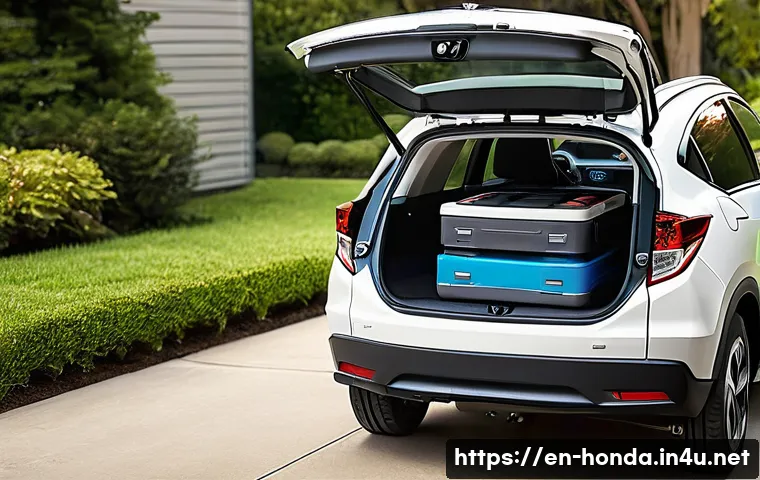
When it comes to cargo space, the HR-V takes a slight lead thanks to its taller roofline and flexible rear seat configurations. You can fold the rear seats flat or flip up the seat bottoms to create a vertical storage area, which is perfect for transporting tall items like plants or small furniture.
The CX-30’s cargo area is well-shaped and easy to access but offers a bit less volume overall. Still, its split-fold rear seats make it easy to adapt the space for different needs.
From my perspective, if hauling gear regularly is part of your lifestyle, the HR-V’s adaptable interior is a real advantage.
Safety and Driver Assistance Technologies
Standard Safety Features
Both the HR-V and CX-30 come well-equipped with standard safety gear, including automatic emergency braking, lane-keeping assist, and adaptive cruise control.
Honda’s suite, known as Honda Sensing, has been praised for its reliability and ease of use, providing a confident sense of protection on the road. Mazda’s i-Activsense system is similarly comprehensive but tends to feel a bit more refined in operation, with smoother lane centering and less intrusive alerts.
From my experience, both systems significantly reduce driver stress during long highway drives or heavy traffic.
Crash Test Ratings and Real-World Safety
Safety ratings from agencies like the IIHS and NHTSA show both SUVs scoring highly, but the CX-30 often edges out the HR-V with slightly better scores in crashworthiness and front crash prevention tests.
Real-world crash data and driver reports also suggest that Mazda’s robust safety cage and advanced safety electronics offer an added layer of confidence, especially in unpredictable driving conditions.
I felt reassured driving the CX-30 through challenging weather, where its stability and safety tech seemed to work seamlessly.
Driver Assistance Usability
Usability of driver assistance features can make or break the ownership experience. Honda’s systems are straightforward and easy to activate or deactivate, which is great for new users.
Mazda’s system, while powerful, sometimes requires a bit more attention to understand its behavior, especially with the adaptive cruise control’s stop-and-go capabilities.
Personally, I appreciated Mazda’s system in dense traffic, where it smoothly adjusted speed without sudden jerks, but I did have to spend some time getting familiar with the controls.
Technology and Infotainment Nuances
Screen Size and Display Quality
The HR-V’s infotainment screen is a modest 7 inches, which is functional but not particularly impressive in terms of resolution or brightness. It serves its purpose well but can feel cramped when displaying split-screen content or navigation maps.
In contrast, the CX-30 offers an 8.8-inch display that’s brighter and crisper, making it easier to glance at while driving. This larger screen, combined with Mazda’s clean interface design, gives the CX-30 a more premium feel.
On sunny days, the visibility difference became quite noticeable in my tests.
Connectivity and App Integration
Both SUVs support Apple CarPlay and Android Auto, but the way they integrate with the car’s systems differs. The HR-V’s setup allows for quick pairing and easy access to smartphone apps, though sometimes the touch response lagged slightly.
The CX-30’s connectivity is smoother overall, with faster response times and seamless transitions between the dial controller and touchscreen inputs. I found myself relying more on the CX-30’s system for navigation and music control during longer trips because it felt less distracting and more intuitive.
Audio Quality and Speaker Systems
Audio enthusiasts will notice a difference here as well. The HR-V comes with a basic six-speaker system that delivers clear sound but lacks depth and bass punch.
Mazda offers an optional premium Bose audio system with 12 speakers that transforms the cabin into a mini concert hall. When I switched between the two, the CX-30’s soundstage felt fuller, richer, and more immersive.
If you love listening to music or podcasts while driving, this upgrade might be worth considering.
Cost of Ownership and Value Proposition
Pricing and Trim Levels
The HR-V generally starts at a lower base price compared to the CX-30, making it more accessible for budget-conscious buyers. However, the CX-30’s higher starting price is justified by its more powerful engine options and upscale interior materials.
When you factor in mid-level trims, the price gap narrows as Honda adds features like leather seats and advanced safety tech. From my perspective, if you want a no-frills, reliable compact SUV, the HR-V hits the mark; but if you’re willing to spend a bit more for refinement and performance, the CX-30 stands out.
Maintenance and Reliability
Both brands have solid reputations for reliability, but Honda’s long history with the HR-V platform means parts and service tend to be more affordable and widely available.
Mazda has improved significantly in recent years, and the CX-30 benefits from modern engineering and robust build quality, but maintenance costs can be slightly higher, especially with the turbocharged engine.
I’ve found that regular servicing at authorized dealerships for both vehicles keeps them running smoothly, but budget-wise, the HR-V might edge out for long-term ownership.
Resale Value and Warranty Coverage
Honda’s HR-V typically holds its value well, thanks to its popularity and reputation for durability. Mazda’s CX-30 also enjoys strong resale values, driven by its stylish design and growing fanbase.
Both vehicles come with competitive warranty packages—usually a 3-year/36,000-mile basic warranty and a 5-year/60,000-mile powertrain warranty. From personal observations, the CX-30’s appeal to younger buyers and enthusiasts could translate into slightly better resale prices in some markets, but both SUVs are solid bets in this regard.
Summary of Key Specifications
| Specification | Honda HR-V | Mazda CX-30 |
|---|---|---|
| Engine | 1.8L I4, 141 hp | 2.5L I4 Turbo, 186-250 hp |
| Fuel Economy (Combined) | 28-30 mpg | 25-27 mpg |
| Infotainment Screen | 7 inches touchscreen | 8.8 inches display with rotary controller |
| Cargo Space (Rear Seats Up) | 24.3 cubic feet | 20.2 cubic feet |
| Safety Features | Honda Sensing Suite | Mazda i-Activsense |
| Starting Price (Approx.) | $23,000 | $24,500 |
| Warranty | 3 yr/36,000 mi basic 5 yr/60,000 mi powertrain |
3 yr/36,000 mi basic 5 yr/60,000 mi powertrain |
In Conclusion
Both the Honda HR-V and Mazda CX-30 offer compelling choices in the compact SUV segment, each excelling in different areas. The HR-V impresses with its practicality and fuel efficiency, while the CX-30 stands out for its engaging performance and upscale interior. Your decision ultimately depends on whether you prioritize comfort and versatility or driving excitement and premium features. From my experience, both vehicles deliver great value and reliability, making either a smart pick for everyday driving.
Useful Information to Keep in Mind
1. The Honda HR-V’s Magic Seat system provides unmatched flexibility for cargo and passenger arrangements, perfect for active lifestyles.
2. Mazda’s turbocharged engine option offers a noticeable boost in power, especially useful for highway driving and carrying heavier loads.
3. Both SUVs come with modern safety suites, but Mazda’s i-Activsense tends to feel a bit more refined and less intrusive in everyday use.
4. If you prioritize infotainment responsiveness and screen size, the CX-30’s larger and sharper display offers a more premium experience.
5. Consider long-term maintenance costs and resale value; the HR-V generally has lower upkeep expenses, while the CX-30 may retain value slightly better among enthusiasts.
Key Takeaways
Choosing between the HR-V and CX-30 boils down to your driving style and needs. The HR-V is ideal for those seeking versatility, efficiency, and straightforward usability without breaking the bank. Meanwhile, the CX-30 appeals to drivers who want a sportier ride, enhanced technology, and a more luxurious cabin feel. Both SUVs provide solid safety and reliability, but understanding their distinct strengths will help you find the right fit for your lifestyle and budget.
Frequently Asked Questions (FAQ) 📖
Q: Which compact SUV offers better fuel efficiency, the Honda HR-V or the Mazda CX-30?
A: When it comes to fuel efficiency, the Honda HR-V generally has the edge, especially in its base trims. From my experience and the specs, the HR-V tends to deliver slightly better mileage, making it an excellent choice if you’re looking to save at the pump during your daily commute or long drives.
The Mazda CX-30, while still fuel-efficient, leans more toward a sporty performance feel, which can sometimes mean a bit higher fuel consumption depending on driving style.
Q: How do the driving experiences of the HR-V and CX-30 differ?
A: If you value a more engaging and dynamic ride, the Mazda CX-30 really shines. It feels more responsive and connected to the road, which makes city driving and winding roads more enjoyable.
On the other hand, the Honda HR-V focuses more on comfort and ease of driving, offering a smooth and predictable ride that’s great for everyday errands and longer trips.
I found the CX-30 to be the better pick if you like a sportier vibe, while the HR-V is more about relaxed and practical driving.
Q: Which SUV provides better interior space and comfort for passengers?
A: The Honda HR-V tends to offer more interior versatility with its Magic Seat feature, allowing for flexible cargo and passenger configurations. It’s surprisingly roomy for a compact SUV, making it a solid choice if you often carry passengers or bulky items.
The Mazda CX-30 has a more upscale interior feel with high-quality materials and a stylish design, but it’s a bit tighter in rear-seat space. So, if passenger comfort and cargo flexibility are priorities, the HR-V might be your go-to, whereas the CX-30 appeals more to those who appreciate a premium cabin atmosphere.