Owning a Honda Odyssey means enjoying a reliable and spacious family vehicle, but keeping it running smoothly requires proper maintenance of its consumable parts.

From timely oil changes to brake pad replacements, these routine tasks are essential to extend the life of your minivan and ensure safety on the road.
Neglecting these details can lead to costly repairs and unexpected breakdowns, which no one wants. I’ve personally found that staying on top of these small upkeep jobs not only saves money but also keeps daily drives stress-free.
If you want to keep your Odyssey in top shape and avoid surprises, understanding the ins and outs of consumable management is key. Let’s dive into the details below to get everything clear and straightforward!
Essential Fluid Checks to Keep Your Odyssey Running Smoothly
Engine Oil: Timing and Type Matter
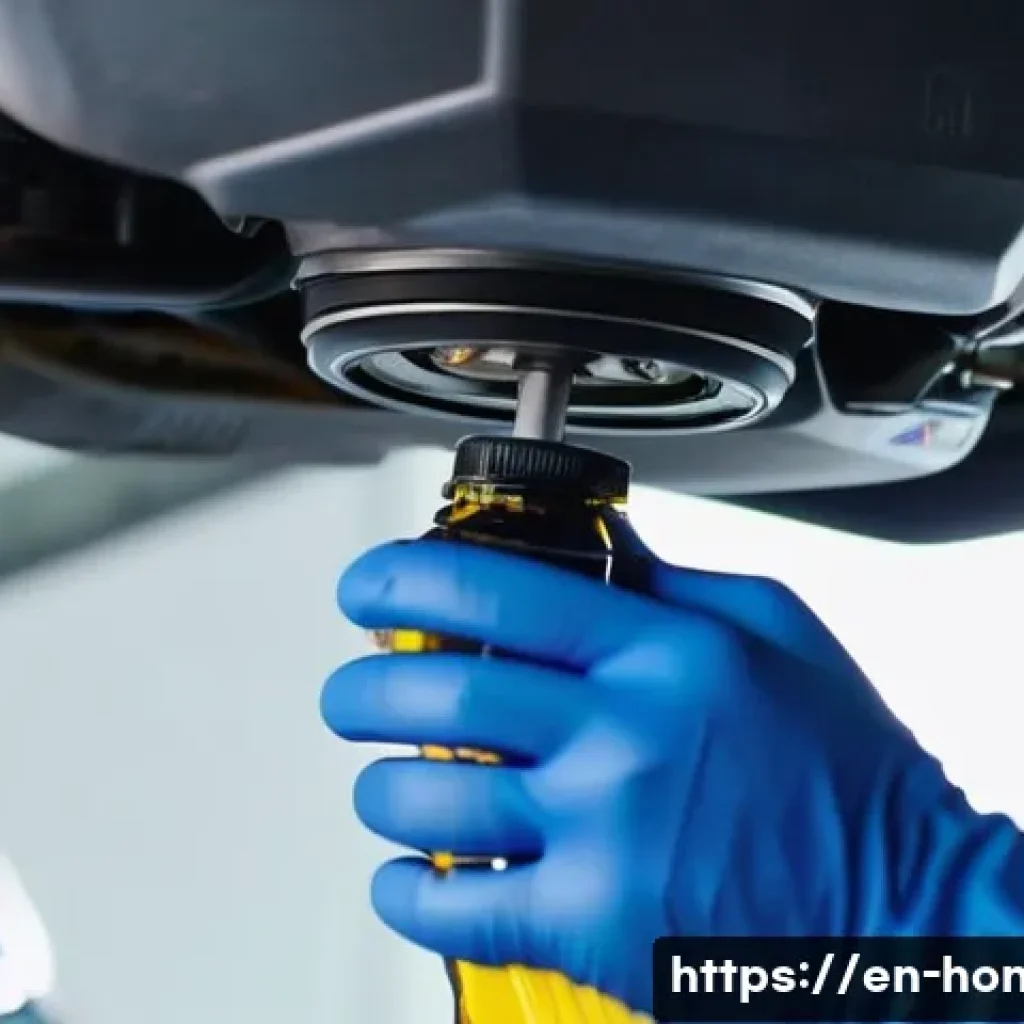
Keeping your Honda Odyssey’s engine oil fresh is more than just a routine chore—it’s the lifeblood of your engine. From my experience, sticking to the manufacturer’s recommended oil change intervals, usually every 7,500 to 10,000 miles with synthetic oil, has helped avoid engine wear and kept the minivan running quietly.
Using the right oil grade, typically 0W-20 for newer Odysseys, ensures proper lubrication and fuel efficiency. Skipping or delaying this service often leads to sluggish performance or even engine damage, which is a costly headache I’ve seen happen to others who pushed their luck.
Coolant System Maintenance
Don’t overlook the coolant system, which plays a vital role in preventing overheating. Flushing and replacing coolant every 60,000 miles or so, as I’ve done during my last service, keeps the radiator and engine block free from corrosion and buildup.
Coolant levels should be checked regularly, especially before summer road trips, since overheating can cause major engine trouble and leave you stranded.
A quick inspection under the hood to spot leaks or discoloration in the coolant can save you from emergency repairs.
Brake Fluid: Safety First
Brake fluid often gets ignored until braking feels off, but it deserves proactive attention. I recommend replacing brake fluid every two years because it absorbs moisture over time, which reduces braking efficiency and risks component corrosion.
After swapping the brake fluid on my Odyssey, the pedal felt firmer and more responsive, which is a reassuring improvement when driving with family. Regular checks at service intervals will ensure your braking system remains safe and reliable.
Brake Components: Wear Patterns and Replacement Tips
Brake Pads: Signs You Shouldn’t Ignore
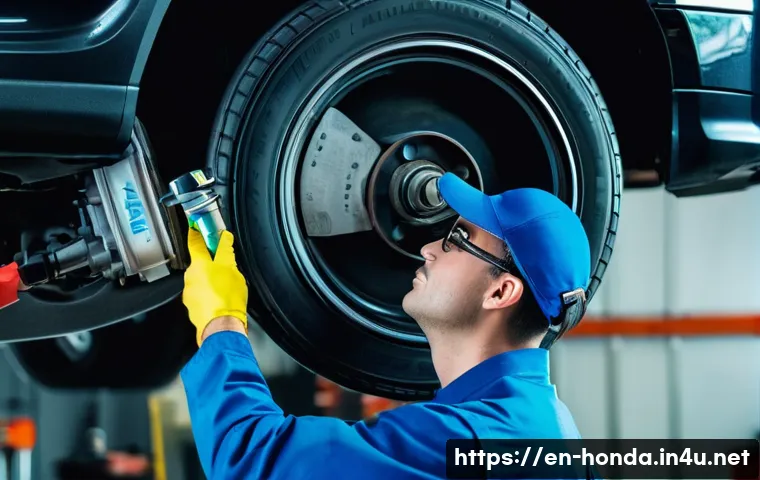
Brake pads wear down naturally, but knowing when to replace them can prevent damage to rotors and keep stopping power sharp. I’ve learned that hearing a high-pitched squeal or feeling a vibration when braking means it’s time to check the pads.
On average, brake pads last about 30,000 to 50,000 miles depending on driving style and road conditions. Waiting too long can lead to metal-on-metal contact, which not only ruins the rotors but also spikes repair costs dramatically.
Rotor Condition and Resurfacing
Rotors work hand-in-hand with pads, and they can warp or develop grooves from wear. After replacing pads a couple of times on my Odyssey, I noticed smoother braking when I also had the rotors resurfaced.
Resurfacing extends rotor life and avoids the need for a full replacement, which is pricier. If rotors are too thin or damaged, replacement is necessary—something to keep in mind during brake service inspections.
Brake System Inspection Routine
A thorough brake inspection involves checking pads, rotors, calipers, and brake lines. I find it helpful to get this done every 10,000 miles or at least during oil changes.
This proactive approach catches uneven wear or fluid leaks early. Ignoring these signs can lead to brake failure or uneven braking, compromising safety.
A detailed inspection report from your trusted mechanic can guide your maintenance schedule effectively.
Tire Care for Longevity and Safety
Regular Rotation and Balancing
Rotating tires every 5,000 to 7,000 miles has made a big difference in extending my Odyssey’s tire life. It promotes even tread wear, which improves handling and fuel economy.
Balancing tires during rotations also prevents vibrations that can cause discomfort and premature suspension wear. I noticed the ride quality improved significantly after consistent rotations and balancing, making daily drives more enjoyable.
Maintaining Proper Tire Pressure
Tire pressure affects everything from gas mileage to braking distance. Checking the pressure monthly, especially before long trips, helps avoid uneven wear and blowouts.
I use a digital gauge for accuracy and keep a portable inflator in the trunk. The recommended tire pressure for the Odyssey usually ranges between 32 to 35 PSI, but always refer to the door jamb sticker for specifics.
Underinflated tires feel sluggish, while overinflated ones reduce grip, so balance is key.
When to Replace Tires
Tires generally last between 40,000 to 60,000 miles, but factors like road conditions and driving habits can shorten this lifespan. I learned to watch for tread depth below 2/32 inches or cracks on the sidewalls as clear signs it’s time for new tires.
Replacing tires in matched sets or pairs helps maintain traction and stability. Don’t wait until you’re caught in bad weather with worn tires—upgrading proactively ensures safer handling.
Battery and Electrical System Care
Battery Lifespan and Signs of Wear
The Honda Odyssey’s battery usually lasts about three to five years, but extreme temperatures can shorten this. I noticed slower engine cranking and dimmer interior lights as early warning signs before a battery failed.
Testing the battery voltage during regular maintenance can prevent unexpected no-start situations. Keeping battery terminals clean and corrosion-free also helps maintain a strong electrical connection.
Charging System Checks
The alternator keeps the battery charged while driving, so a failing charging system can leave you stranded. I’ve had the alternator tested during routine service when experiencing flickering dashboard lights or warning beeps.
Early diagnosis and replacement can avoid towing fees and inconvenience. Make sure your mechanic inspects belts and connections during these checks as well.
Electrical Accessories and Fuse Maintenance
From power sliding doors to infotainment systems, the Odyssey’s electrical accessories add convenience but can develop faults. If you notice malfunctioning features, checking fuses is a simple first step.
I keep a fuse kit in my glove box for quick fixes. Regular inspection of wiring and connectors during service helps catch potential electrical issues before they cause bigger problems.
Air Filters and Cabin Comfort
Engine Air Filter Replacement Frequency
The engine air filter protects your Odyssey’s engine by filtering out dust and debris. I usually replace it every 15,000 to 30,000 miles, depending on driving conditions.
Driving in dusty or urban areas means more frequent changes. A clogged air filter reduces engine efficiency and acceleration, which I noticed firsthand when I skipped this maintenance once and felt the difference immediately.
Cabin Air Filter and Air Quality
The cabin air filter affects the air you and your family breathe inside the vehicle. Replacing it every 15,000 miles ensures fresh airflow and prevents allergens and pollutants from circulating.
I found that swapping the cabin filter improved the HVAC system’s performance and eliminated musty odors. It’s a simple upgrade that enhances comfort, especially during allergy season.
Inspecting HVAC System Components
Ensuring your heating and cooling system runs well involves more than just filters. Checking blower motors, vents, and refrigerant levels keeps the cabin comfortable year-round.
I schedule HVAC inspections during regular maintenance visits, which has helped avoid costly repairs like compressor replacements. Clean vents and a properly charged system make a huge difference in passenger comfort.
Scheduled Maintenance Overview for Consumable Parts
| Consumable Part | Recommended Service Interval | Key Maintenance Actions | Signs to Watch For |
|---|---|---|---|
| Engine Oil | Every 7,500 – 10,000 miles | Oil and filter change, use synthetic 0W-20 | Engine noise, decreased fuel efficiency |
| Brake Pads | Every 30,000 – 50,000 miles | Inspection, replacement if worn | Squealing, vibration during braking |
| Tires | Rotate every 5,000 – 7,000 miles; replace every 40,000 – 60,000 miles | Rotation, balancing, pressure check | Uneven wear, tread depth <2/32 inch |
| Coolant | Flush every 60,000 miles | Flush and refill, check levels regularly | Overheating, leaks, discoloration |
| Brake Fluid | Replace every 2 years | Fluid replacement, system inspection | Spongy brake pedal, warning lights |
| Battery | Every 3-5 years | Voltage test, terminal cleaning | Slow engine crank, dim lights |
| Engine Air Filter | Every 15,000 – 30,000 miles | Replacement, visual inspection | Reduced acceleration, poor fuel economy |
| Cabin Air Filter | Every 15,000 miles | Replacement, check for debris | Bad odors, weak airflow |
Transmission Fluid Care: Smooth Shifting Essentials
When to Check and Replace Transmission Fluid
Transmission fluid is often overlooked, but it’s crucial for smooth gear shifts and long transmission life. For my Odyssey, I check the fluid level and condition every 30,000 miles and replace it at around 60,000 miles, especially if towing or heavy driving is common.
Dirty or low fluid can cause slipping or rough shifts, which I experienced once and was quick to fix after a fluid change.
Signs of Transmission Trouble
If your minivan hesitates or jerks during shifts, or if you notice a burning smell, it’s time to have the transmission fluid inspected immediately. Ignoring these signs can lead to expensive repairs or a full transmission replacement.
I keep an eye on fluid color—healthy fluid is bright red, while dark or burnt-smelling fluid signals trouble.
Transmission Filter Replacement
Alongside fluid changes, replacing the transmission filter helps keep contaminants out of the system. This maintenance step isn’t always done but can extend transmission life significantly.
I had it done during a major service and noticed smoother performance afterward, making it well worth the cost.
Belts and Hoses: The Unsung Heroes of Your Odyssey
Timing Belt or Chain Considerations
The Odyssey uses a timing chain, which generally lasts longer than a belt, but it still requires inspection. I had mine checked around 100,000 miles and replaced when there were signs of wear.
A failing timing chain can cause catastrophic engine damage, so don’t skip this check.
Inspecting Serpentine Belts and Hoses
Serpentine belts drive key accessories like the alternator and power steering pump. I inspect these belts for cracks or fraying every oil change. Hoses should also be checked for leaks or bulges to avoid overheating or power steering failure.
Replacing worn belts and hoses promptly has saved me from roadside breakdowns more than once.
Signs That Indicate Urgent Replacement
Squealing noises on startup, visible cracks, or coolant leaks around hoses are red flags. I learned to listen for these signs early and act fast. Waiting too long risks engine overheating or losing power steering assistance, which can be dangerous when driving with passengers.
Lighting and Visibility Components Maintenance
Headlights and Taillights Replacement Tips
Maintaining clear and functioning headlights and taillights is crucial for safety and legal compliance. I replace bulbs proactively before they burn out, especially the low beams, which tend to dim over time.
Upgrading to LED bulbs has improved visibility during night driving and added a modern touch to my Odyssey.
Windshield Wipers and Washer Fluid
Good visibility depends on reliable wipers and sufficient washer fluid. I swap out wiper blades every 6 to 12 months, or sooner if streaking occurs. Keeping washer fluid topped off with a seasonal formula helps clear bugs and grime.
I once delayed replacing wipers and ended up struggling to see in heavy rain, a lesson learned the hard way.
Side Mirrors and Cameras
Side mirrors and backup cameras assist with parking and lane changes. Regular cleaning and inspection prevent blind spots and ensure these systems work correctly.
I clean my Odyssey’s camera lens regularly and noticed fewer close calls while reversing, which is reassuring when driving in crowded areas.
Fuel System and Emissions Maintenance
Fuel Filter Replacement Schedule
The fuel filter traps impurities before they reach the engine, and replacing it every 30,000 miles can prevent clogs and poor engine performance. I noticed smoother acceleration and fewer hesitation issues after a fuel filter change, especially after driving in dusty environments.
Keeping the Fuel Injectors Clean
Fuel injector cleaning helps maintain optimal fuel spray patterns and combustion. Using a quality fuel system cleaner every few thousand miles has noticeably improved my Odyssey’s fuel economy and reduced rough idling.
Emissions System Checks
Regular emissions inspections help ensure your Odyssey meets environmental standards and runs efficiently. I recommend addressing any check engine light alerts promptly, as they often relate to emissions components like oxygen sensors or catalytic converters.
Early repairs avoid bigger problems and fines.
Routine Maintenance Schedule Summary
| Maintenance Item | Interval | Key Actions | Why It Matters |
|---|---|---|---|
| Engine Oil | 7,500-10,000 miles | Change oil/filter | Protects engine, improves efficiency |
| Brake Pads | 30,000-50,000 miles | Inspect/replace pads | Ensures safe braking |
| Tire Rotation | 5,000-7,000 miles | Rotate/balance tires | Even tire wear, better handling |
| Coolant | 60,000 miles | Flush/replace coolant | Prevents overheating |
| Brake Fluid | Every 2 years | Replace fluid | Maintains braking performance |
| Battery | 3-5 years | Test/clean terminals | Prevents starting issues |
| Transmission Fluid | 60,000 miles | Replace fluid/filter | Smooth shifting |
| Air Filters | 15,000-30,000 miles | Replace engine/cabin filters | Engine efficiency, air quality |
Wrapping Up
Maintaining your Honda Odyssey’s fluids and components regularly is key to keeping it reliable and safe on the road. From engine oil to brake fluid and tires, each part plays a vital role in performance and longevity. Staying on top of these checks not only prevents costly repairs but also ensures peace of mind every time you drive. With a little attention and care, your Odyssey can serve you well for many miles to come.
Useful Tips to Remember
1. Always follow the manufacturer’s recommended intervals for oil and fluid changes to avoid premature wear and costly breakdowns.
2. Regularly inspect brake pads and rotors to maintain optimal stopping power and prevent damage to critical braking components.
3. Keep your tires properly inflated and rotated to enhance safety, improve fuel economy, and extend tire life.
4. Don’t ignore warning signs from your battery or electrical system—early detection can save you from unexpected roadside troubles.
5. Replace air filters and monitor your HVAC system to ensure clean air inside your vehicle and comfortable cabin conditions year-round.
Key Takeaways
Consistent maintenance of your Odyssey’s fluids and parts is essential for safety, performance, and cost savings. Prioritize timely oil and coolant changes, brake system upkeep, and tire care to prevent breakdowns and extend vehicle life. Regular inspections help catch issues early, while attention to electrical and air filtration systems enhances comfort and reliability. Making these routine checks a habit will keep your Odyssey running smoothly and your drives worry-free.
Frequently Asked Questions (FAQ) 📖
Q: How often should I change the oil in my Honda Odyssey to keep it running smoothly?
A: For most Honda Odyssey models, changing the oil every 5,000 to 7,500 miles is a good rule of thumb. However, if you often drive in heavy traffic, extreme temperatures, or tow heavy loads, you might want to shorten that interval to around 3,000 to 5,000 miles.
I’ve noticed that sticking to these intervals keeps the engine running quietly and helps avoid costly repairs down the road. Always use the recommended oil type specified in your owner’s manual to get the best performance.
Q: When should I replace the brake pads on my Odyssey to maintain safety?
A: Brake pad replacement depends on your driving habits, but generally, they last between 30,000 to 70,000 miles. If you hear squealing noises, feel reduced braking power, or notice vibration when braking, it’s time to get them checked.
I once ignored early signs and ended up with a more expensive rotor replacement, so catching these signs early can save you money and keep your family safe on every trip.
Q: What are the key consumable parts I should regularly check on my Honda Odyssey?
A: Besides oil and brake pads, it’s crucial to monitor your air filters, tires, transmission fluid, and coolant levels. For example, a clogged air filter can reduce fuel efficiency, and worn tires affect handling and safety.
I personally make it a habit to inspect these parts during monthly checks, which helps me catch issues before they become major problems. Keeping these consumables in check ensures your Odyssey remains reliable and comfortable for your daily drives.